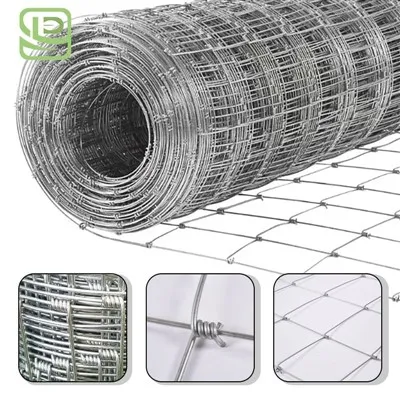
Products Description :
| Product Name | Steel Fence For Cattle |
| Surface Treatment | Electiric Galvanized/Hot dipped galvanized |
| Usage | Protecting, Factory, Home Security, fencing mesh |
|
Sample |
Sample are free for customers |
| place of origin | Hebei, China |
| Material | Iron Wire/Stainless Steels |
| Color |
Silver,etc |
| Length | 10-200m |
| Application | Agricultural, Farm field |
| Height | 0.6m-2.6m |
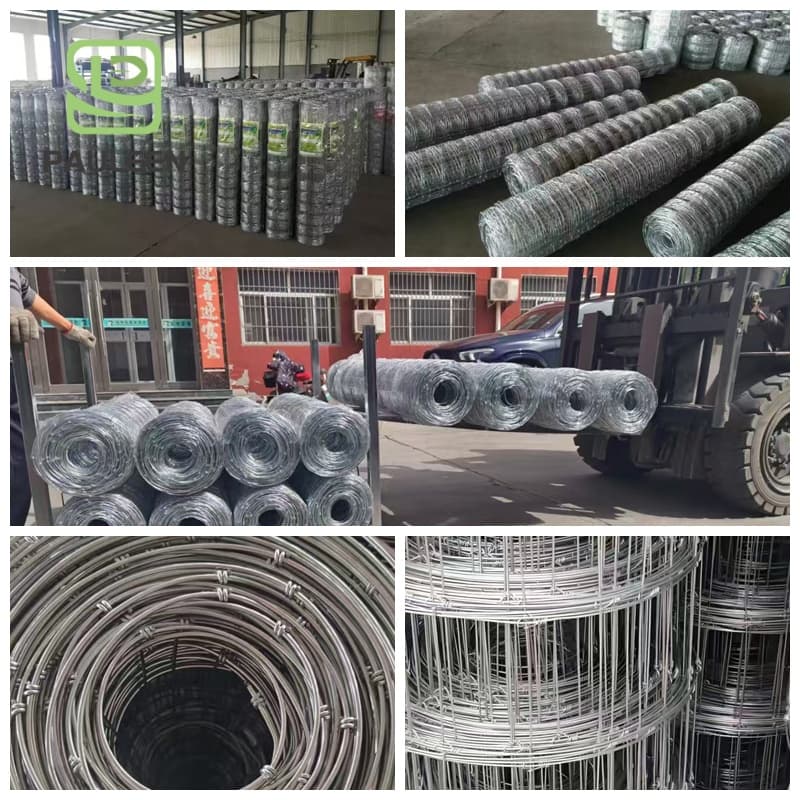
product SHOWS
PAULEEN

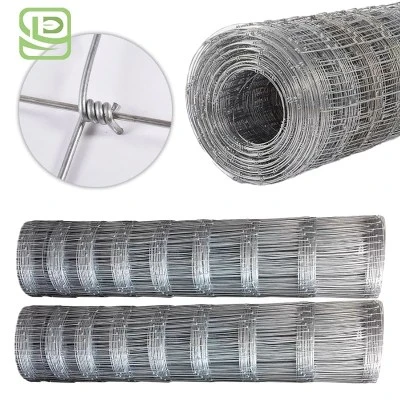
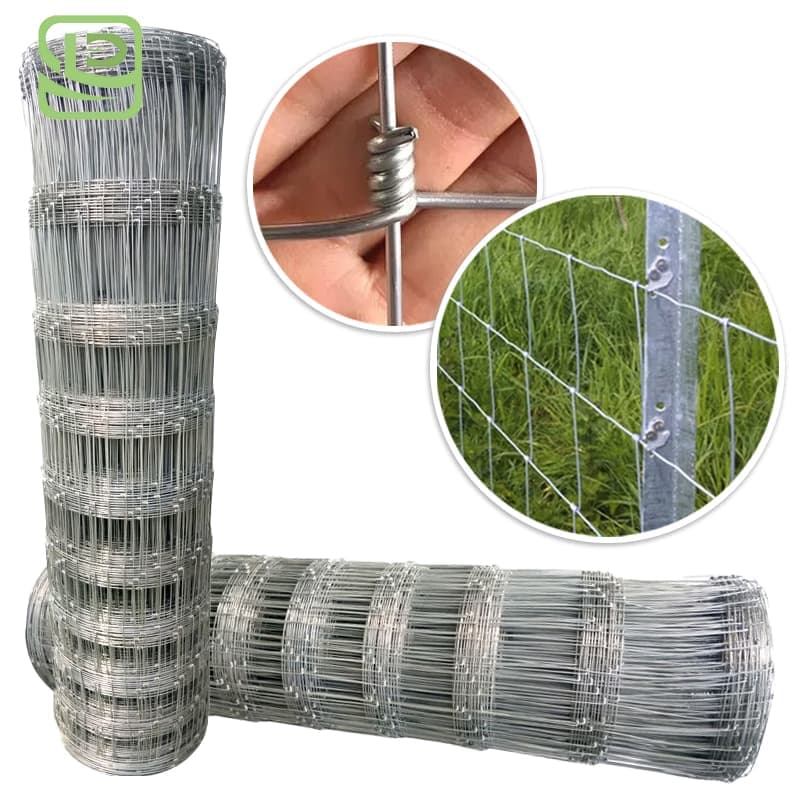
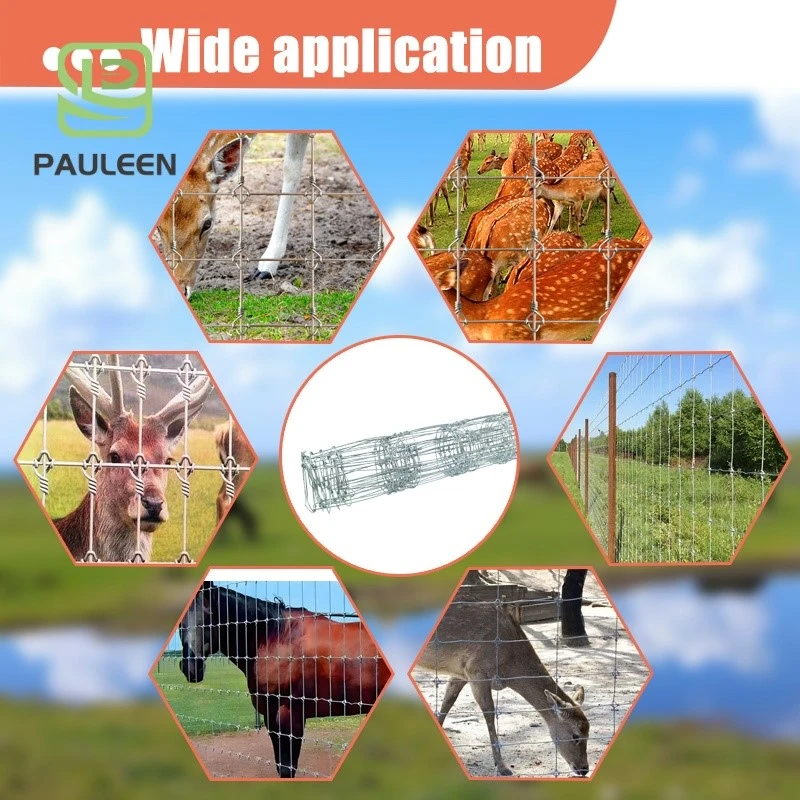
A cattle fence is a specialized barrier primarily designed for the effective containment, protection, and management of cattle within designated pastures or enclosures. Constructed from robust materials like wood, woven wire, high-tensile wire, or electric fencing components, its core function is to prevent cattle from wandering off, safeguard them from predators or traffic, and facilitate controlled grazing and rotational pasture management. Key design considerations include sufficient height to deter jumping, strength to withstand leaning and pressure from large animals, appropriate spacing between wires or posts to prevent escape or entanglement, and often electrical components to provide a psychological barrier with minimal physical force. It represents a crucial piece of infrastructure for safe and efficient livestock husbandry.
product applications
Livestock Containment
The primary purpose. Keeps cattle safely within designated pastures or away from hazards like roads, ensuring they don't wander off the property.
Pasture Management
Enables controlled grazing through rotational grazing systems. Fences divide land into paddocks, allowing grass to recover in rested areas and preventing overgrazing.
Property Protection
Protects both the cattle and neighboring property. Prevents cattle from damaging crops, gardens, or landscaping, and reduces the risk of accidents (e.g., cattle on roads).
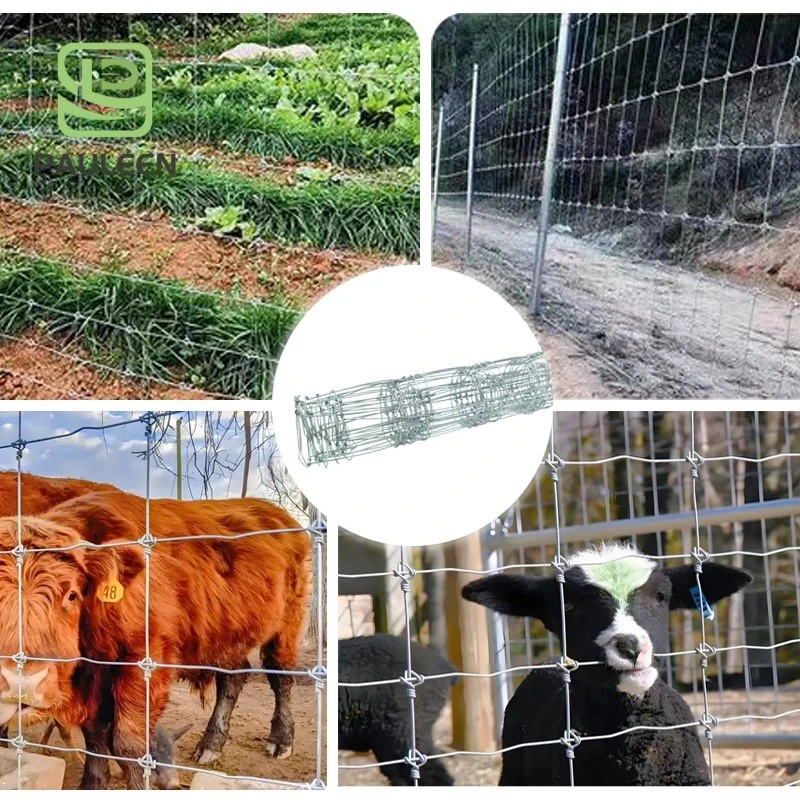
Calving & Healthcare
Allows separation of specific animals. Used to create secure areas for calving cows, isolate sick animals for treatment, or hold animals for veterinary procedures or sorting.


FAQ
1.Q: Which fencing elements maximize longevity in permanent bovine containment systems?
A: Combining durable high-tensile woven mesh with rot-resistant timber or oxidation-proof metallic posts guarantees superlative structural resilience. This integration substantially augments service life for mature cattle enclosures.
2.Q: Optimal height specifications and conductor placement for livestock perimeter barriers?
A: Enclosures for adult bovines require a minimum vertical clearance of 54 inches. Foundational configuration guidelines:
Base grid aperture: 4-6" to prevent calf escape, employing graduated spacing vertically
Electrified systems: Standard 3-5 wire installations; lowest conductor positioned 20-30" above ground level
3.Q: Does electrified perimeter management provide effective livestock control?
A: Correctly implemented electric fencing offers dependable containment via potent, safe bio-deterrent pulses. Typical conductors include polymer variants (polywire/tape) or rigid high-tensile steel. Reliable operation necessitates sufficient energizer capacity (PSI), efficient grounding, and persistent vegetation management-especially beneficial for rotational grazing and pasture subdivision.
4.Q: Maintenance protocols for perimeter barrier assets?
A: Conduct semi-annual and post-storm assessments, inspecting for:
Conductor damage or connection failures
Compromised vertical supports (decayed wood, bent metal)
Structural misalignment or tension loss
Flora contacting live elements
Passive barriers demand less upkeep than active systems, which require weekly growth control and energizer validation during peak vegetative phases.
5.Q: Principal expenditure factors in cattle confinement initiatives?
A: Dominant cost determinants include:
Material choices: Woven mesh costs exceed barbed wire; advanced electric systems incur higher initial investment
Inputs: Support post composition (e.g., metal/wood/composite), conductor type, insulators (live systems), access points, reinforcement components
Project scope: Total enclosed linear footage
Topographical challenges: Rocky, sloped, or wooded terrain increases labor intensity
Implementation method: Owner-implemented versus professional contracting
Ancillary features: Power sources (battery/solar), termination hardware, specialized gate fixtures
Hot Tags: steel fence for cattle, China steel fence for cattle manufacturers, suppliers, factory, Galvanized For Cattle Fence, Galvanized Cattle Welded Wire Mesh Panel Fence, Cattle Fixed Knot Field Fence, Cattle Fence Gate, Cattle Fence Panel, Electro Galvanized Cattle Fence