


Products Description:
| Product Name | Cattle Panel Fence |
| Surface Treatment | Electiric Galvanized/Hot dipped galvanized |
| Usage | Protecting, Factory, Home Security, fencing mesh |
|
Sample |
Sample are free for customers |
| Place of origin | Hebei, China |
| Material | Iron Wire/Stainless Steels |
| Color |
Silver,etc |
| Length | 10-200m |
| Application | Agricultural, Farm field |
| Height | 0.6m-2.6m |

A cattle fence is a robust barrier specifically designed to contain and manage cattle within designated pastures or enclosures while excluding unwanted animals. Typically constructed from durable materials like high-tensile wire, woven wire, barbed wire, or electrified strands supported by sturdy posts (often wood or steel), it provides essential containment for grazing, herd management, and protection from predators or hazards. Effective cattle fencing is critical agricultural infrastructure, ensuring animal safety, preventing property damage, and facilitating efficient pasture rotation.

applications of Cattle Fence
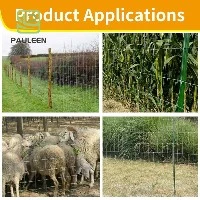
Livestock Containment:
Keeps cattle within designated pastures or properties.
(Prevents wandering, protects roads/neighbors, defines grazing area).
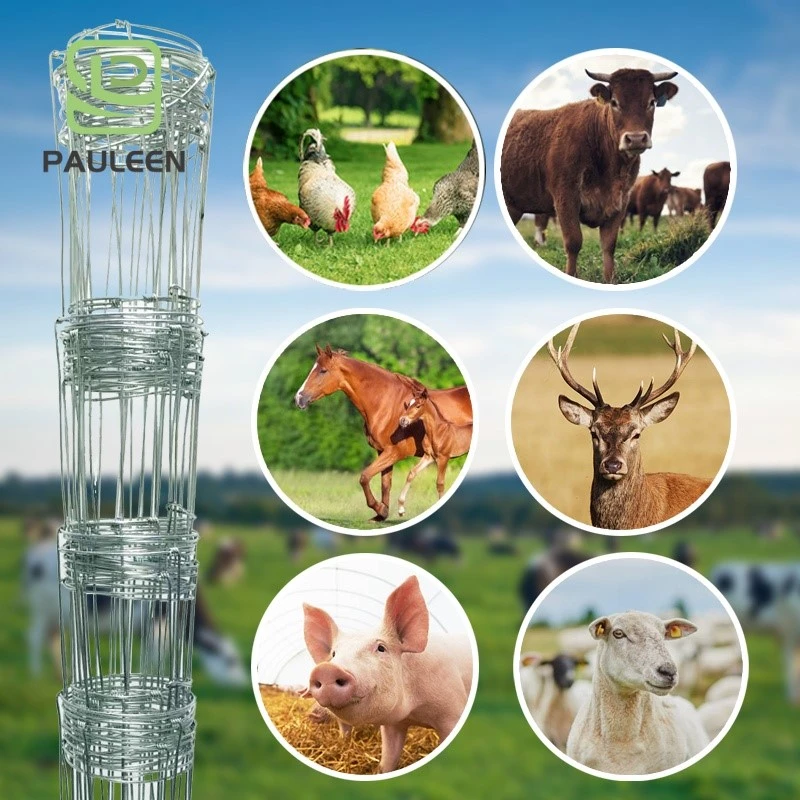
Pasture Management:
Enables rotational grazing systems.
(Allows controlled movement between paddocks for optimal forage regrowth and soil health).
Hazard & Crop Protection:
Restricts access to dangers and valuable areas.
(Shields cattle from roads, waterways, machinery; protects gardens, crops, sensitive habitats).
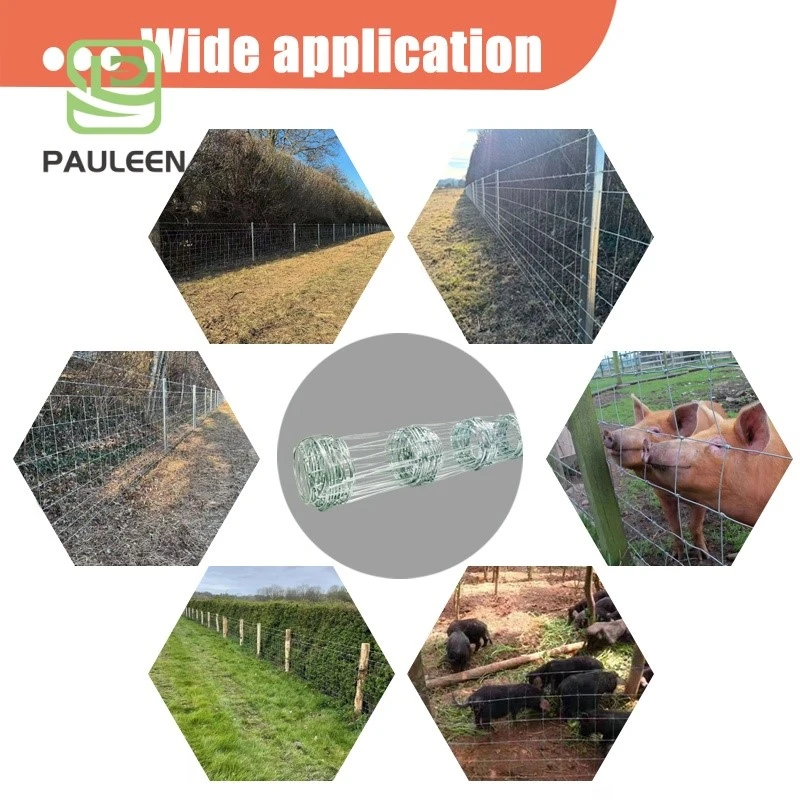
Handling & Sorting:
Creates corridors and pens for animal management.
(Facilitates movement to corrals, loading chutes, veterinary care, or separation by group).
Our Service
01
Custom Sizing on Demand!
Get exact dimensions for your project -We cut, roll, and package to your specs
02
Export-Ready Packaging & Paperwork
Hassle-free global shipping! We handle export docs, secure packing , and door-to-door logistics.
03
Direct Factory Support
Skip agents! Talk to our production team for tech advice, bulk quotes, or urgent orders. Fast & transparent!
fAQ
1.Q:What type of fencing material is best for cattle?
A: The "best" material depends on factors like budget, terrain, cattle breed, and purpose (permanent pasture vs. temporary grazing). Common options include Woven Wire (Field Fence), Barbed Wire (often multiple strands), High-Tensile Smooth Wire (electric or non-electric), Wood, and Electric Polywire/Polytape. Woven wire is very popular for its containment and safety.
2.Q:How tall should a cattle fence be?
A: For most adult beef cattle breeds, a minimum height of 48 to 54 inches (4 to 4.5 feet) is recommended. For larger breeds, bulls, or areas with high predator pressure, 54 to 60 inches (4.5 to 5 feet) is often advised. Fences containing calves may need tighter spacing at the bottom rather than extra height.
3.Q:What spacing is needed between fence posts for a cattle fence?
A: Spacing depends on the terrain and fence type:
Line Posts: Typically spaced 12 to 16 feet apart for wire fences on relatively flat ground. Closer spacing (8-12 ft) is needed on hills, curves, or for very high-tension fences. Electric fences can sometimes have wider spacing (20-30 ft).
Corner/Brace Posts: Require heavy-duty construction and are placed at all corners, gate ends, and changes in direction to handle fence tension.
4.Q:How effective are electric fences for containing cattle?
A: Electric fences are highly effective for containing cattle when properly installed and maintained. Cattle learn quickly to respect the psychological barrier of the shock. They are excellent for rotational grazing, temporary paddocks, and reinforcing permanent fences. Key requirements include a sufficiently powerful energizer, good grounding, regular vegetation control under the wires, and ensuring wires are at the correct nose/head height.
5.Q:What maintenance does a cattle fence require?
A: Regular maintenance is crucial:
Vegetation Control: Keep grass and weeds trimmed from touching electrified wires and away from the base of non-electric fences to prevent rot (wood) or corrosion (wire) and maintain shock effectiveness.
Tension Checks: Periodically check and tighten wires, especially high-tensile and electric fences.
Inspections: Walk fence lines regularly to look for broken wires, damaged posts (rotten, leaning, broken), loose staples or clips, sagging sections, and debris leaning on the fence. Repair damage promptly.
Energizer Checks (Electric): Ensure the energizer is functioning correctly and batteries (if solar) are charged.
Hot Tags: cattle panel fence, China cattle panel fence manufacturers, suppliers, factory, Cattle Fixed Knot Field Fence, Galvanized Cattle Fence, Galvanized Cattle Welded Wire Mesh Panel Fence, Cattle Fence Panel, Cattle Corral Fence, Cattle Yard Fence


