


Products Description :
| Product Name | Electric Fence For Cattle |
| Surface Treatment | Electiric Galvanized/Hot dipped galvanized |
| Usage | Protecting, Factory, Home Security, fencing mesh |
|
Sample |
Sample are free for customers |
| Place of origin | Hebei, China |
| Material | Iron Wire/Stainless Steels |
| Color |
Silver,etc |
| Length | 10-200m |
| Application | Agricultural, Farm field |
| Height | 0.6m-2.6m |
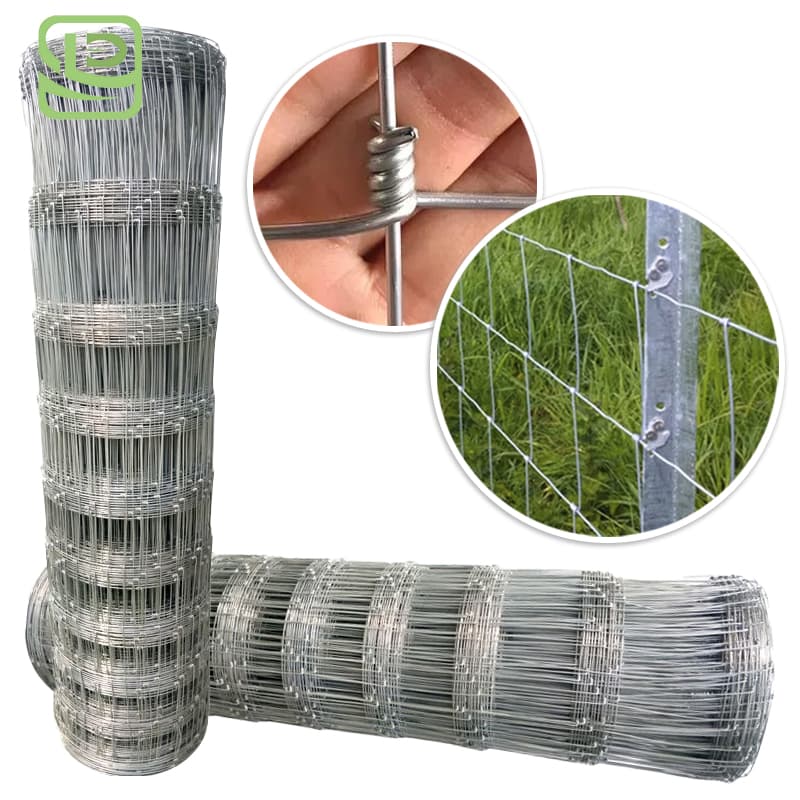

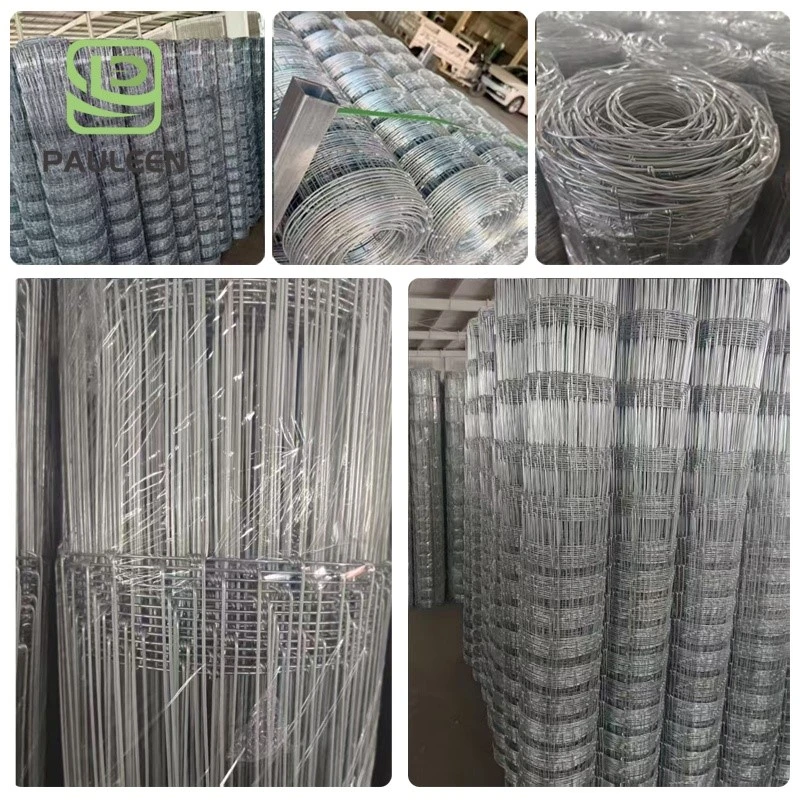
Application of Fence Cattle
Pasture Management & Rotation
Divides land into paddocks, enabling controlled grazing cycles ("rotational grazing") to prevent overgrazing, promote forage regrowth, and improve pasture health.
Disease Control & Biosecurity
Creates barriers to restrict contact between different cattle groups or herds, reducing the spread of contagious diseases and parasites within and between farms.
Breeding Program Management
Allows separation of bulls, cows, heifers, and calves for controlled breeding, managing genetics, preventing inbreeding, and protecting young stock.
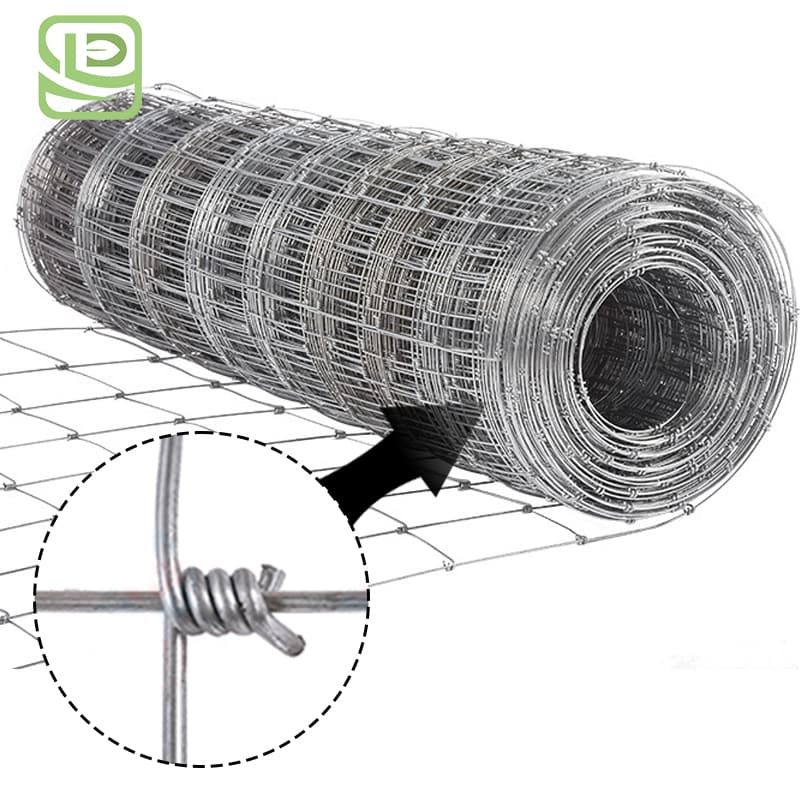
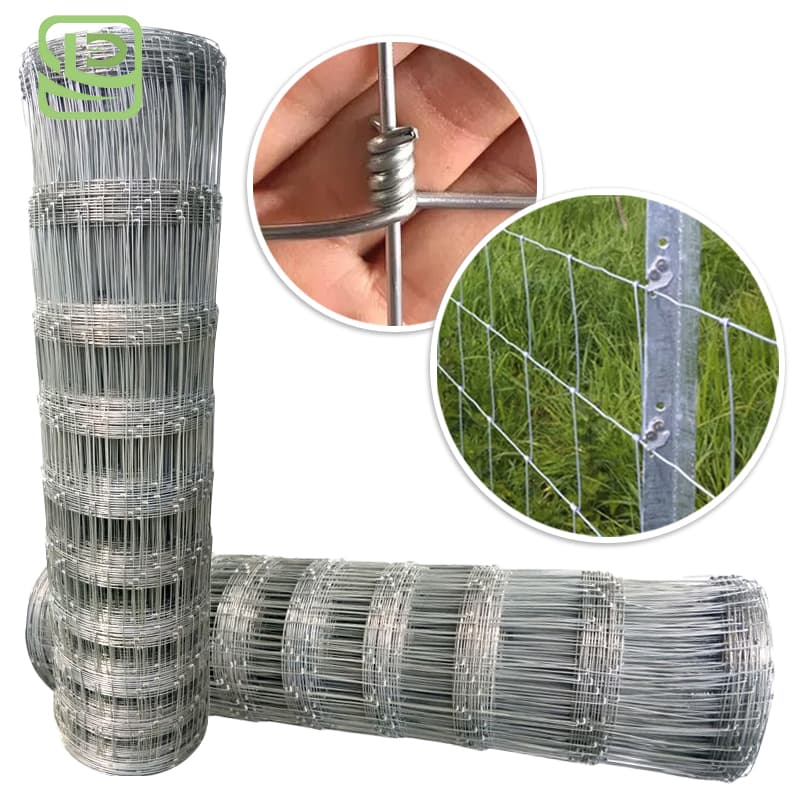
Predator & Threat Protection
Forms a physical barrier to deter or prevent predators (coyotes, wolves, dogs) and other threats (stray dogs, wildlife) from attacking cattle, especially vulnerable calves.
Property & Boundary Definition
Clearly marks farm boundaries, preventing cattle from straying onto neighboring properties, public roads (preventing accidents), or unauthorized areas.
Theft Deterrence & Security
Acts as a significant physical obstacle, deterring casual theft and making the unauthorized removal of cattle much more difficult and time-consuming.
advantage of Fence Cattle
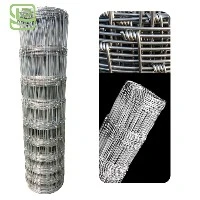
Containment & Control
Fences physically restrict cattle movement, keeping them within designated pastures, away from roads, crops, sensitive areas (like waterways), or neighboring properties. This allows for easier management, handling, and monitoring.
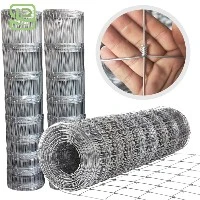
Predator & Threat Protection
Well-built fences create a barrier against predators (coyotes, wolves, dogs) and significantly reduce the risk of cattle wandering onto dangerous roads. This lowers mortality rates and protects the herd.
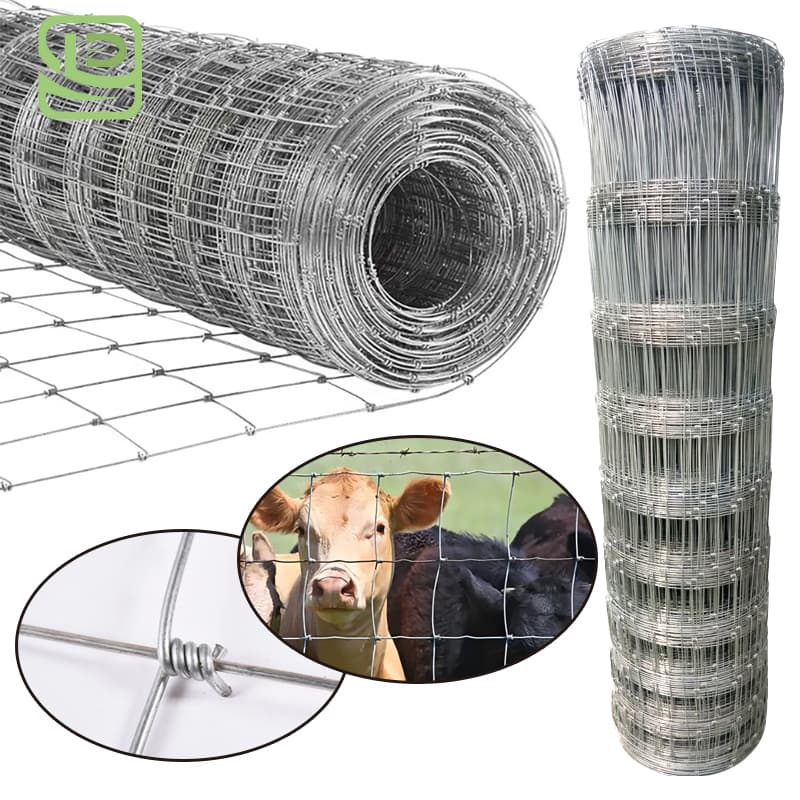
Pasture & Grazing Management
Fences enable rotational grazing by dividing land into smaller paddocks. This allows pastures time to rest and regrow, prevents overgrazing, promotes healthier forage, and leads to more efficient land utilization and better cattle nutrition.
Conflict & Damage Prevention
Fences prevent cattle from trespassing onto neighboring farms, gardens, or residential areas, avoiding damage to others' property (crops, landscaping) and reducing the potential for accidents, legal disputes, or conflicts with neighbors.
Our Certificate
PAULEEN

QUALITY MANAGEMENT SYSTEM CERTIFICATE

ENVIRONMENTAL MANAGEMENT SYSTEM CERTIFICATE

OCCUPATIONAL HEALTH AND SAFETY MANAGEMENTSYSTEM CERTIFICATE
fAQ
1.Q: Which fencing offers maximum longevity for cattle containment?
A: High-tensile woven wire (also termed "field fence" or "barbless stock fence") paired with robust timber or corrosion-resistant steel posts ranks as the most resilient and reliable permanent barrier for cattle, particularly sizable breeds or bulls.
2.Q: What are optimal height and wire spacing for cattle barriers?
A: A minimum height of 54 inches (4.5 feet) is advised for mature cattle. Spacing varies by design:
Woven wire: Narrower gaps at the base (4-6 inches) deter calf escape, gradually widening upward.
Electric wire: Typically employs 3-5 strands, with the lowest conductor positioned 20-30 inches above ground.
3.Q: Is electric fencing viable and safe for livestock?
A: Properly configured electric systems prove highly effective for cattle management, delivering a potent yet harmless shock. Common options include polywire/tape or high-tensile conductors. Success hinges on adequate energizer capacity, proper earthing, and consistent upkeep to maintain conductivity and clear vegetation. It's ideal for rotational grazing or internal divisions.
4.Q: What maintenance frequency is required for cattle fencing?
A: Regular inspections are essential. Seasonally and post-storms, examine for:
Fractured wires or slack fasteners
Compromised posts (decayed timber, deformed steel)
Sagging sections
Vegetation contact on electric systems
Permanent barriers demand less intensive upkeep than electric variants, which necessitate weekly vegetation control and energizer verification during rapid growth periods.
5.Q: What influences cattle fencing installation expenses?
A: Primary cost determinants include:
Barrier Type: Woven wire typically exceeds barbed wire pricing; premium electric setups may surpass basic barbed wire initially.
Materials: Post selection (steel/timber/composite), wire/tape, insulators (electric), gates, and bracing.
Scale: Total linear footage.
Topography: Rocky, steep, or forested terrain elevates labor and complexity.
Installation Method: Self-installed versus professional.
Add-ons: Energizers (battery/solar), post concrete, or specialized gates.
Hot Tags: electric fence for cattle, China electric fence for cattle manufacturers, suppliers, factory, Electric Fence For Cattle, Galvanized For Cattle Fence, Fence Panel Cattle, Cattle Fixed Knot Field Fence, Cattle Fence Gate, Galvanized Cattle Fence


