


Products Description :
| Product Name | Cattle Guard Fence |
| Surface Treatment | Electiric Galvanized/Hot dipped galvanized |
| Usage | Protecting, Factory, Home Security, fencing mesh |
|
Sample |
Sample are free for customers |
| Place of origin | Hebei, China |
| Material | Iron Wire/Stainless Steels |
| Color |
Silver,etc |
| Length | 10-200m |
| Application | Agricultural, Farm field |
| Height | 0.6m-2.6m |
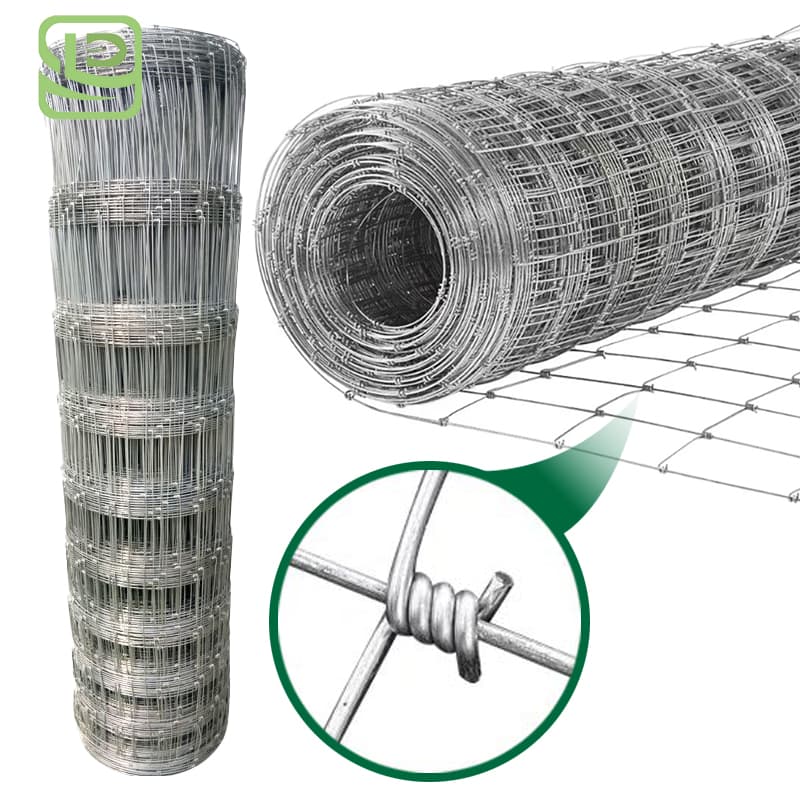
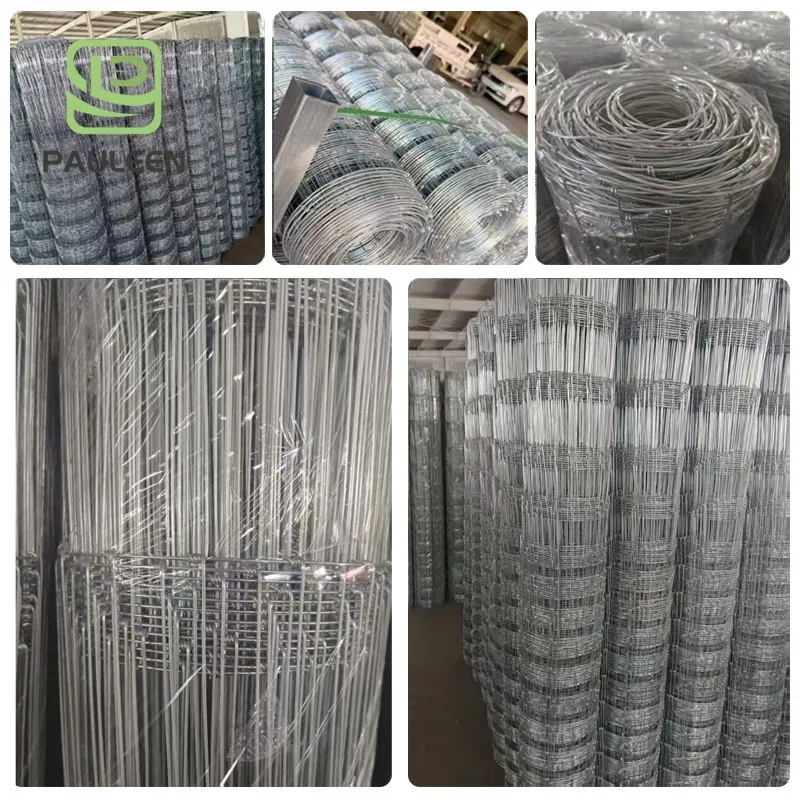
What Is Cattle Fence?
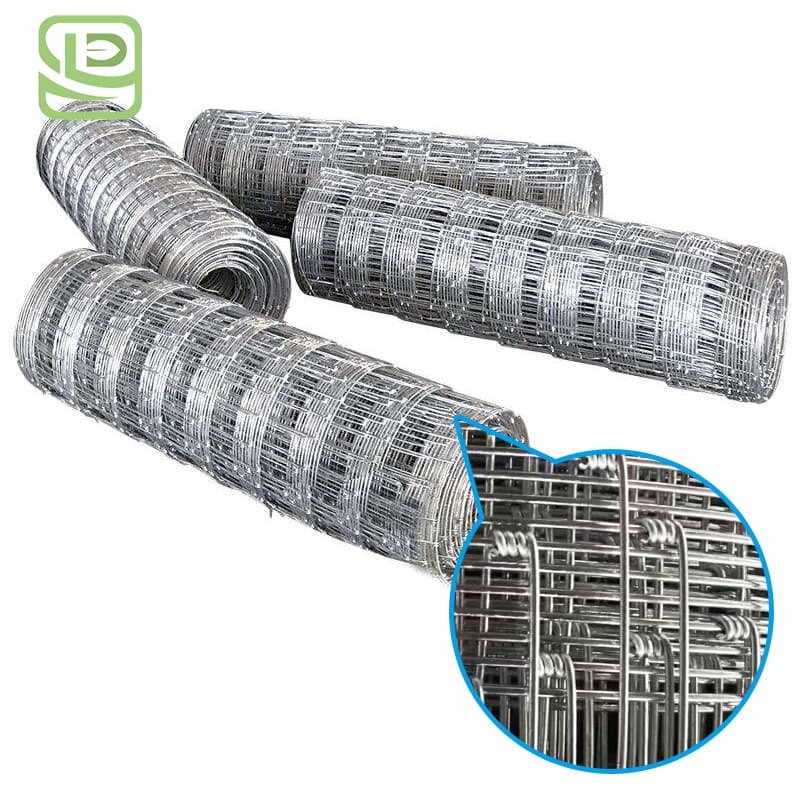
Cattle Fence
Cattle Fence, also commonly known as livestock fencing or ranch fencing, is a crucial agricultural barrier specifically designed to contain cattle within designated pastures and exclude them from restricted areas. Constructed typically from durable materials like galvanized steel posts, high-tensile wire, woven wire mesh, or barbed wire, it must be robust enough to withstand the significant pressure and weight of large animals. Modern designs prioritize both animal safety (minimizing injury risks like cuts or entrapment) and longevity, resisting corrosion and environmental stress. Beyond simple containment, cattle fences are fundamental for implementing rotational grazing systems, protecting crops or sensitive habitats, preventing livestock loss, and reducing property damage, making them an essential tool for efficient and responsible livestock management.

advantage of Cattle Fence
PAULEEN
Containment & Control
Keeps cattle within designated boundaries.
Prevents wandering, reduces loss, and allows for orderly management of the herd.
Safety & Security
Protects cattle and people.
Shields cattle from traffic, predators, or thieves, and prevents them from entering unsafe areas or neighboring properties.
Pasture Management
Enables rotational grazing.
Allows farmers to divide pastures, controlling grazing pressure to promote grass regrowth and prevent overgrazing.
Predator & Disease Control
Limits unwanted interactions.
Helps deter predators and reduces contact with wild animals or neighboring livestock, minimizing disease transmission risks.
Damage Prevention
Protects crops and property.
Stops cattle from trampling or consuming valuable crops, gardens, landscaping, or sensitive environmental areas like waterways.
Operational Efficiency
Saves time and resources.
Makes herding, feeding, veterinary care, and sorting animals significantly easier and less labor-intensive.
Quality & Value, Direct from Our Factory
For over a decade, we've combined manufacturing excellence with global trade expertise. Enjoy superior quality products at competitive prices - all streamlined through our integrated model. Simply share your requirements, review our tailored quote, confirm samples, and we handle production, rigorous quality control, and seamless logistics. Experience efficiency, transparency, and savings by sourcing directly with us. Contact us today to start a partnership built on reliability and mutual success.
Our address
No. 169 Zhufeng Street, High tech Zone, Shijiazhuang City, Hebei Province
Phone Number
+8618831832367
pauleen@meshwiresuppliers.com

fAQ
1.Q: Which fencing type delivers maximum longevity for cattle enclosures?
A: For enduring, secure containment-particularly with large breeds or bulls-high-tensile woven wire ("field fence"/"barbless stock fence") paired with robust timber or corrosion-resistant steel posts provides exceptional durability.
2.Q: Optimal height and wire setup for cattle barriers?
A: Adult bovines need enclosures minimally 54 inches (4.5 feet) high. Configuration varies:
Woven wire: Incorporates narrower spacing at the bottom (4-6 inches) to block calf escape, gradually widening gaps upwards.
Electric fencing: Usually employs 3-5 strands, positioning the lowest conductor 20-30 inches above terrain.
3.Q: Is electric perimeter control viable and safe for livestock?
A: Appropriately installed electric systems offer high containment efficiency for cattle, administering a potent yet harmless shock. Polywire/tape or high-tensile conductors are standard. Consistent performance relies on sufficient energizer output, correct grounding, and sustained upkeep to guarantee conductivity and avoid vegetation shorts. This approach excels for rotational grazing or internal paddock divisions.
4.Q: Recommended maintenance frequency for cattle fencing?
A: Perform seasonal inspections and post-storm checks, examining for:
Damaged wires or detached fasteners
Compromised posts (decayed wood, deformed steel)
Slack fence lines
Foliage contacting live conductors
Permanent structures demand less upkeep than electric variants, which necessitate weekly vegetation control and energizer verification during rapid growth periods.
5.Q: Primary factors influencing cattle fencing installation expenses?
A: Key cost determinants encompass:
Barrier Type: Woven wire usually exceeds barbed wire pricing; sophisticated electric setups may involve higher initial investment.
Components: Post material (steel/timber/composite), conductor (wire/tape), insulators (electric), access points, reinforcement.
Scale: Total linear barrier footage.
Topography: Rocky, sloped, or forested terrain elevates labor and complexity.
Labor: Self-installation versus professional service fees.
Add-ons: Energizers (battery/solar), post-setting concrete, specialized gate mechanisms.
Hot Tags: cattle guard fence, China cattle guard fence manufacturers, suppliers, factory, Fence Panel Cattle, Galvanized Cattle Welded Wire Mesh Panel Fence, Cattle Fixed Knot Field Fence, Electric Fence For Cattle, Galvanized For Cattle Fence, Cattle Corral Fence


