


↵
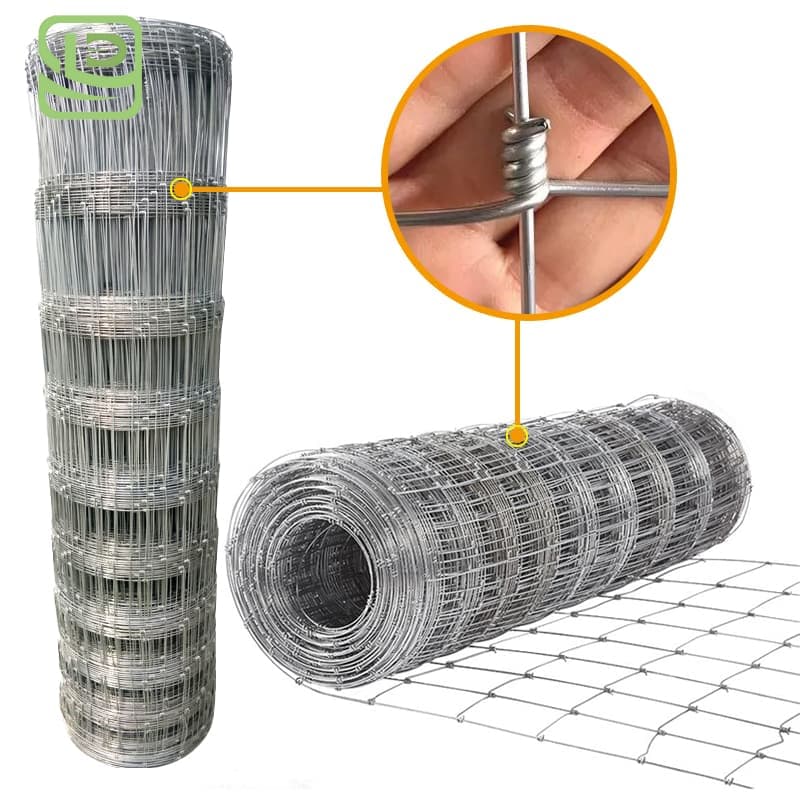
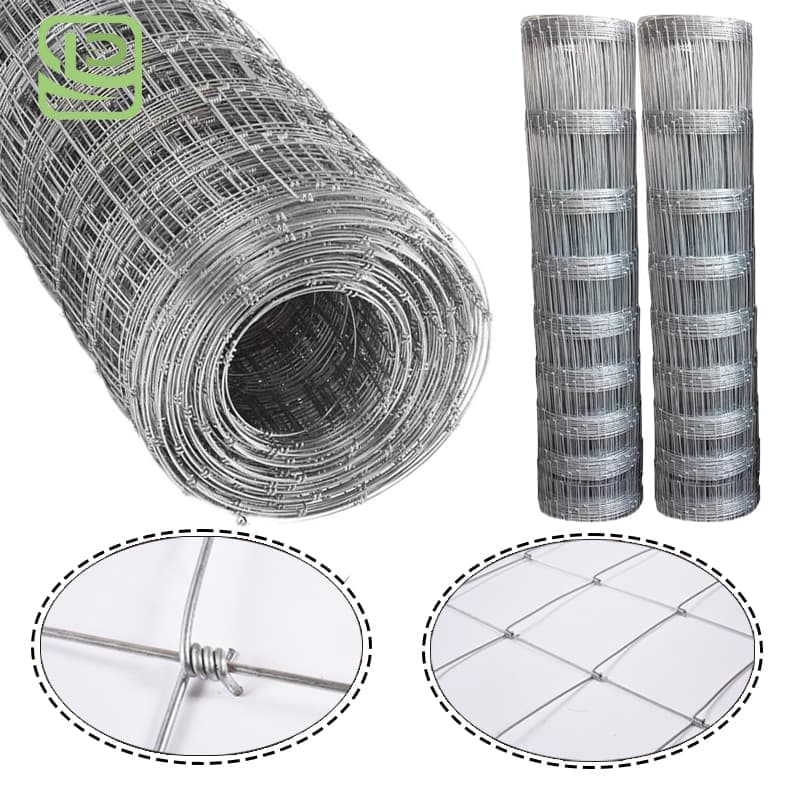
Products Description :
| Product Name | Bar Wire Cattle Fence |
| Surface Treatment | Electiric Galvanized/Hot dipped galvanized |
| Usage | Protecting, Factory, Home Security, fencing mesh |
|
Sample |
Sample are free for customers |
| Place of origin | Hebei, China |
| Material | Iron Wire/Stainless Steels |
| Color |
Silver,etc |
| Length | 10-200m |
| Application | Agricultural, Farm field |
| Height | 0.6m-2.6m |
What Is Cattle Fence?
Cattle Fence
Cattle fences are essential, purpose-built barriers designed primarily to contain livestock within designated pastures or enclosures and exclude potential threats. Typically constructed from durable materials like wood posts, woven wire, barbed wire, or high-tensile wire (often electrified for enhanced effectiveness), these fences provide secure boundaries for grazing management and herd control. Key features include significant strength to withstand animal pressure, longevity to endure weather elements, and visibility to deter cattle from challenging the barrier. Beyond confinement, well-designed cattle fences facilitate pasture rotation, protect animals from predators and traffic hazards, prevent unwanted roaming, and aid in overall farm or ranch organization and biosecurity, making them a fundamental component of efficient and safe livestock operations.
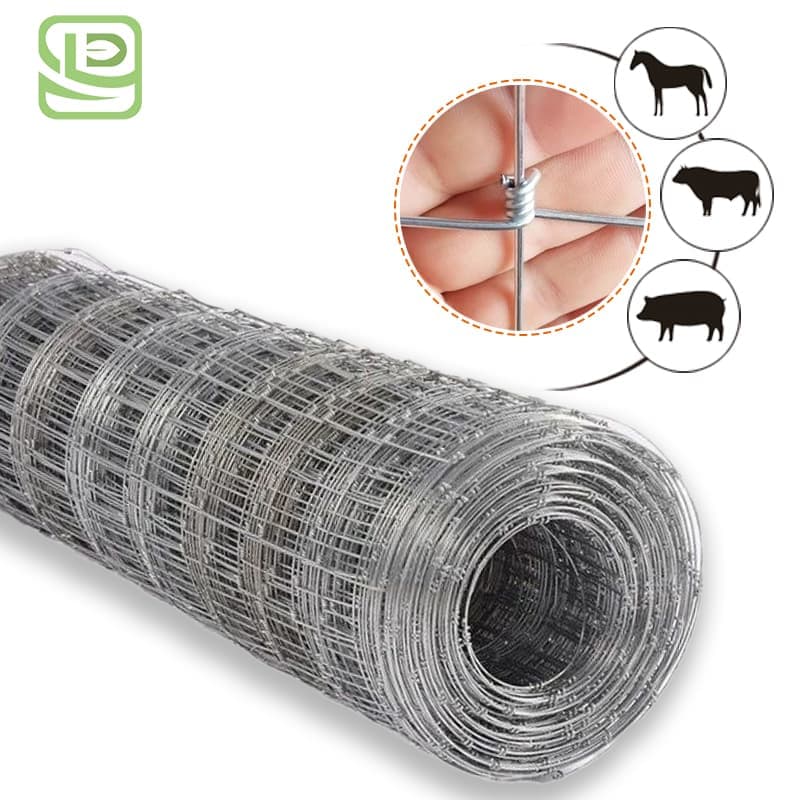

advantage of Cattle Fence
Livestock Containment
Prevents cattle from wandering off the designated property, reducing loss, preventing access to roads or neighboring lands, and keeping them within safe, managed areas.
Enhanced Animal Safety
Protects cattle from hazards like traffic, predators, poisonous plants, or dangerous terrain located outside the fenced area.
Pasture Management & Rotational Grazing
Allows farmers to divide pastures into sections (paddocks), enabling controlled grazing. This prevents overgrazing, promotes forage regrowth, improves pasture health, and optimizes feed utilization.


Property & Crop Protection
Safeguards farm infrastructure (barns, equipment, gardens), crops in adjacent fields, and sensitive environmental areas (like waterways) from damage caused by trampling or grazing cattle.
Disease Control & Biosecurity
Acts as a physical barrier, limiting direct contact between your herd and neighboring livestock or wildlife, thereby reducing the risk of transmitting diseases, parasites, or pests.
Reduced Labor & Liability
Significantly decreases the time and effort needed for daily herding or searching for stray animals. It also lowers the legal liability risks associated with cattle causing accidents (e.g., on roads) or damaging others' property.
applications of Cattle Fence
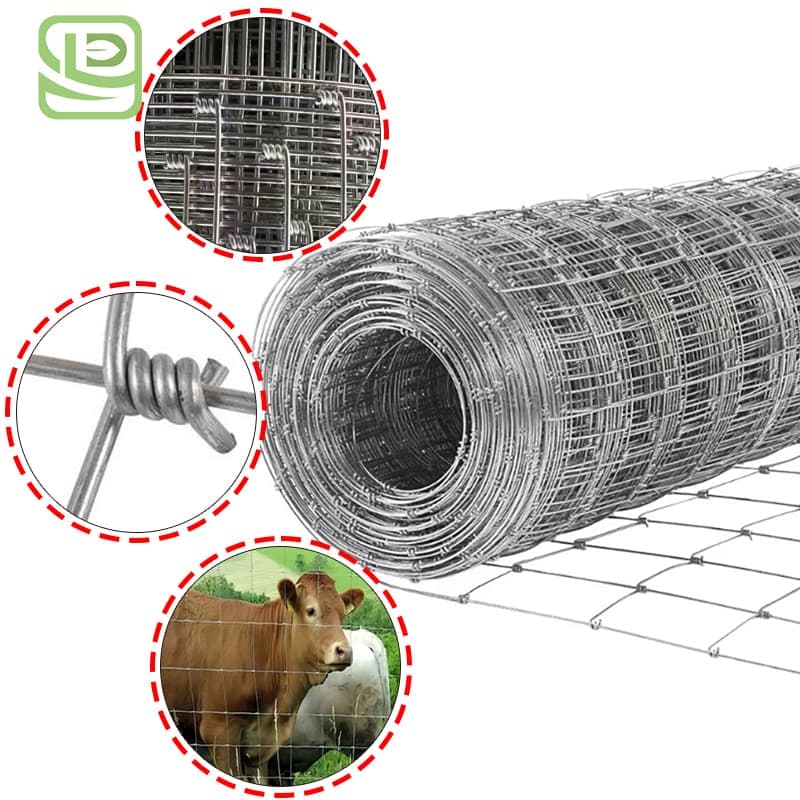
Livestock Containment:
The fundamental purpose. Fences physically restrict cattle movement, preventing them from wandering onto neighboring properties, roads, or undesired areas like crops or sensitive ecosystems.

Predator/Threat Protection:
Fences act as a barrier against predators (coyotes, wolves, dogs) and protect cattle from significant dangers such as busy highways, steep ravines, or bodies of water where they could drown.
Pasture Management:
By subdividing large pastures into smaller paddocks using fences, ranchers can control where cattle graze. This allows for more uniform forage utilization, prevents overgrazing in specific spots, and protects sensitive areas like water sources or riparian zones.
Rotational Grazing Facilitation:
Essential for sustainable grazing systems. Fences create the paddocks needed to implement rotational grazing, where cattle are moved frequently between sections.
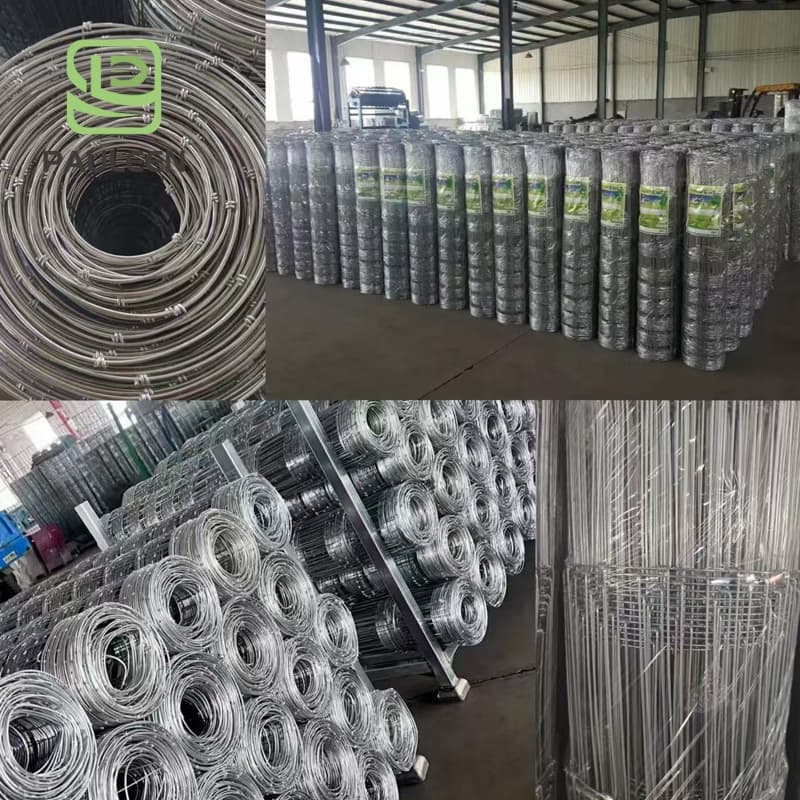
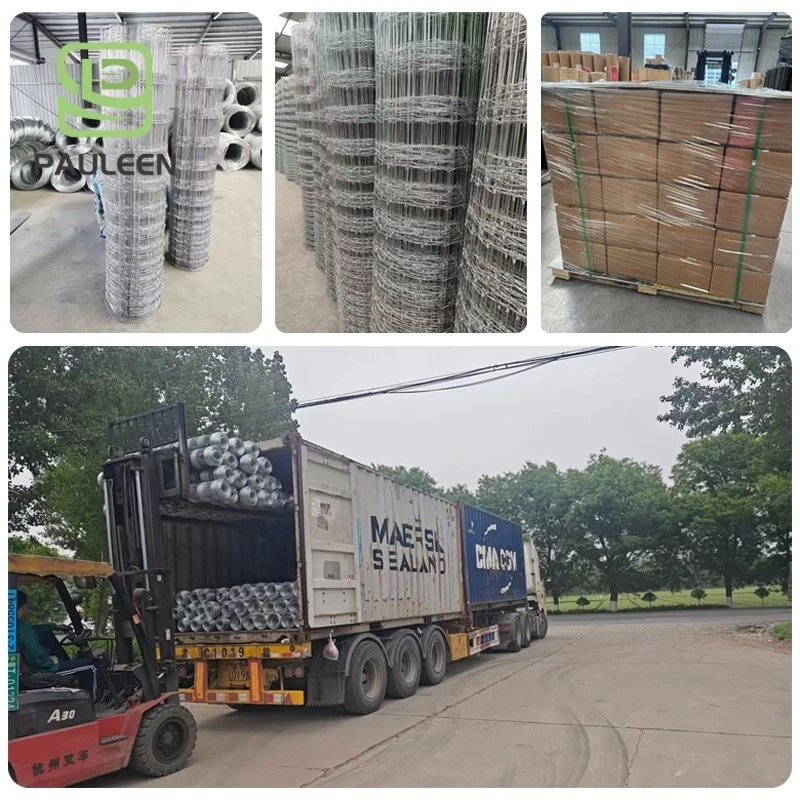
Our company

fAQ
1.Q: Which fencing type provides peak durability for bovine confinement?
A: Regarding enduring, impenetrable livestock enclosures (especially for substantial breeds/bulls), maximum-resistance interlinked steel mesh ("pasture barrier" or "smooth-wire stock fencing") coupled with heavy-duty preserved timber or alloy uprights represents the predominant long-lasting solution.
2.Q: What constitute ideal elevation and conductor interval parameters for cattle boundaries?
A: Mature bovines generally necessitate barriers minimally measuring 54 inches (137 cm) tall. Gap configuration differs: interlaced barriers incorporate tight lower apertures (10-15 cm) to prevent calf egress, incrementally widening vertically. Electrified installations typically deploy 3-5 aligned conductors, with the lowest strand situated 50-75 cm above terrain.
3.Q: Are electrified perimeter arrangements dependably effective and hazard-free for animal containment?
A: Correctly deployed electric fencing constitutes a proficient and non-hazardous cattle control method. It administers a potent yet non-lethal aversive stimulus. Standard materials encompass poly-coated filaments/ribbons or high-strength conductive wires. Operational efficiency mandates an adequately potent energizing unit, ideal earthing, and systematic conductivity preservation via vegetation clearance. Its application predominates in internal subdivisions and rotational pasture systems.
4.Q: What inspection regularity is essential for livestock enclosures?
A: Periodic integrity verification is paramount. Scrutinize for conductor fractures, insecure anchors, deteriorated uprights (rotted wood, deformed steel), sagging lines, and flora impinging on charged systems. Evaluations should transpire quarterly and following severe weather. Fixed installations demand less rigorous maintenance versus electric variants, which necessitate recurrent botanical control and energizer performance validation (potentially bi-weekly amid vigorous growing phases).
5.Q: Which variables impact cattle barrier implementation expenditures?
A: Predominant expenditure variables encompass:
Barrier Classification: Interwoven mesh typically commands higher cost than barbed wire; sophisticated electric systems may exceed initial barbed-wire outlays.
Components: Upright composition (alloy, hardwood, synthetic), conductor material, isolators (electrified), entry mechanisms, reinforcement frameworks.
Scale: Total perimeter extent fundamentally dictates cost.
Topography: Geologically complex, inclined, or densely wooded terrain escalates labor and installation complexity/expense.
Workforce: Self-execution versus contracted implementation.
Augmentations: Energizer/power supply (electrified), upright cementing, specialized portal systems.
Hot Tags: bar wire cattle fence, China bar wire cattle fence manufacturers, suppliers, factory, Galvanized Cattle Fence, Cattle Fence Panel, Cattle Yard Fence, Cattle Corral Fence, Electric Fence For Cattle, Galvanized Cattle Welded Wire Mesh Panel Fence


