↵
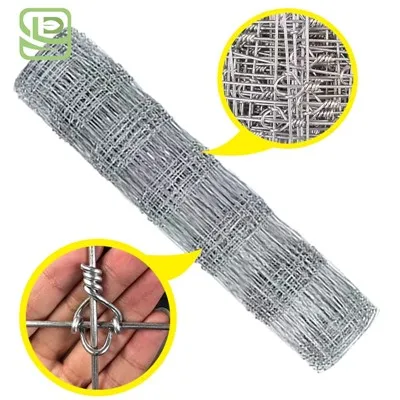
Products Description :
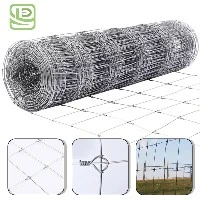
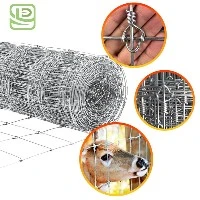
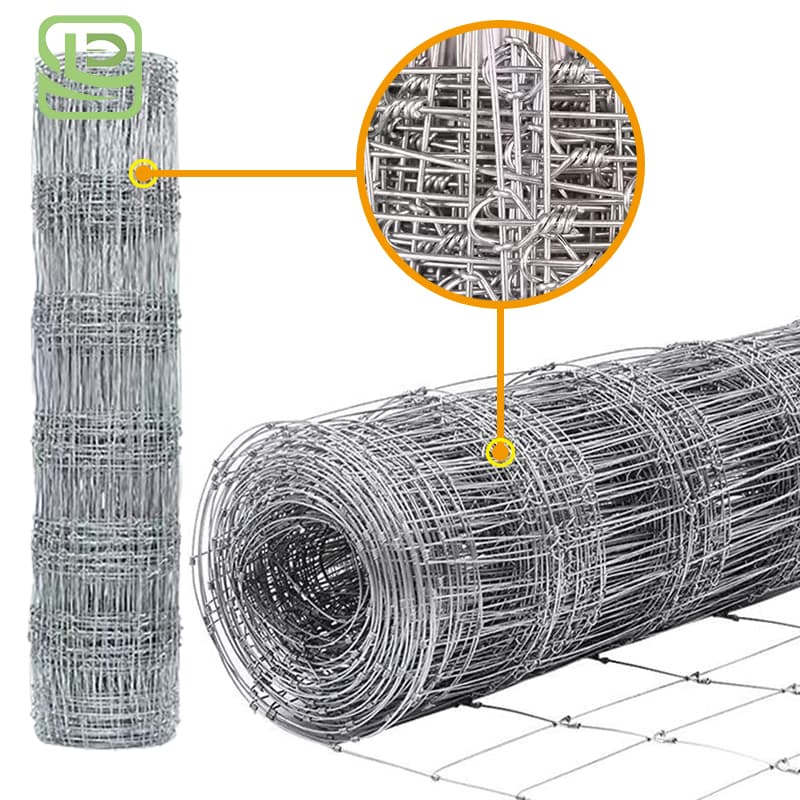
| Product Name | Anti Deer Fence For Garden |
| Surface Treatment | Electiric Galvanized/Hot dipped galvanized |
| Usage | Protecting, Factory, Home Security, fencing mesh |
|
Sample |
Sample are free for customers |
| Place of origin | Hebei, China |
| Material | Iron Wire/Stainless Steels |
| Color |
Silver,etc |
| Length | 10-200m |
| Application | Agricultural, Farm field |
| Height | 0.6m-2.6m |
What Is Deer Fence?
Deer Fence
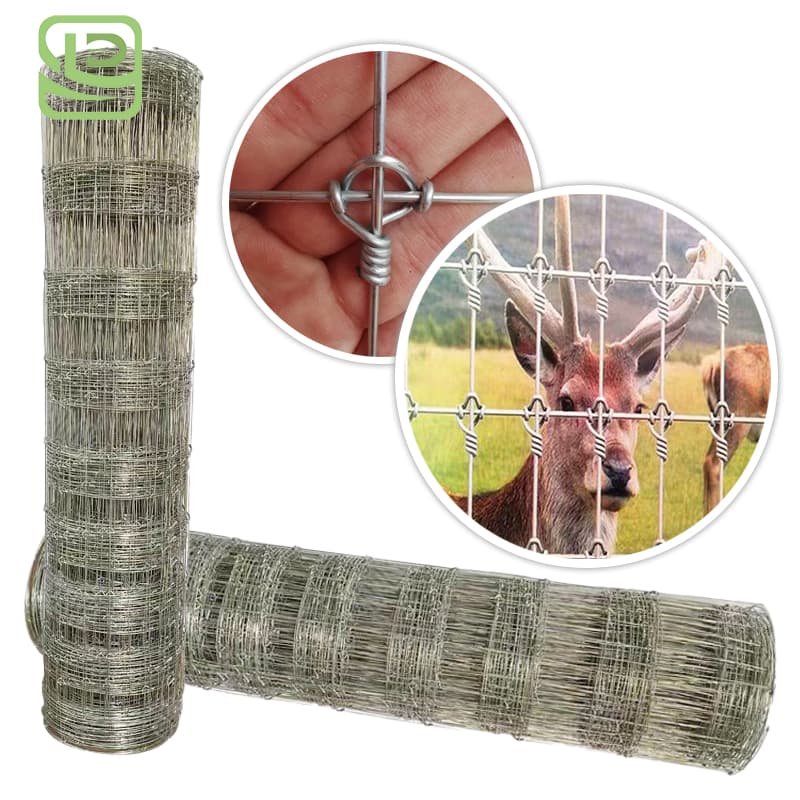
A deer fence is a highly effective physical barrier specifically designed to exclude deer and other wildlife from protected areas like gardens, orchards, or landscaped yards. Typically constructed from durable, heavy-duty plastic mesh (polyethylene or polypropylene) or metal wire, it is installed vertically on sturdy posts surrounding the perimeter. To be effective against deer's jumping ability, it needs to be at least 7 to 8 feet (2.1 to 2.4 meters) tall. Deer fences provide a long-lasting, humane, and environmentally friendly solution to prevent browsing damage, protecting valuable plants, crops, and vegetation from destruction without harming the animals. Their visibility also helps deter deer from attempting to breach the barrier.
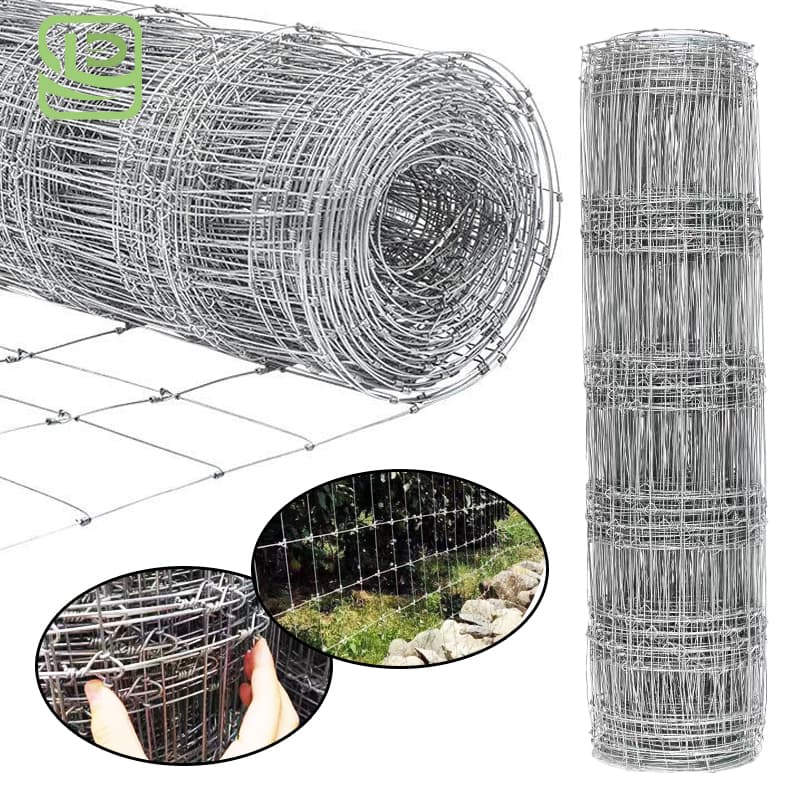
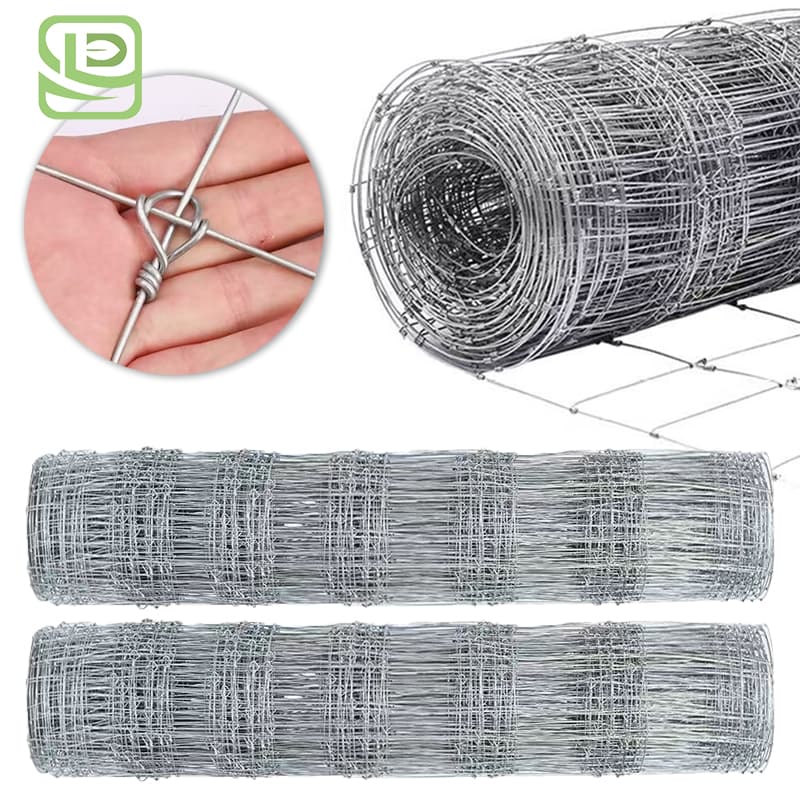
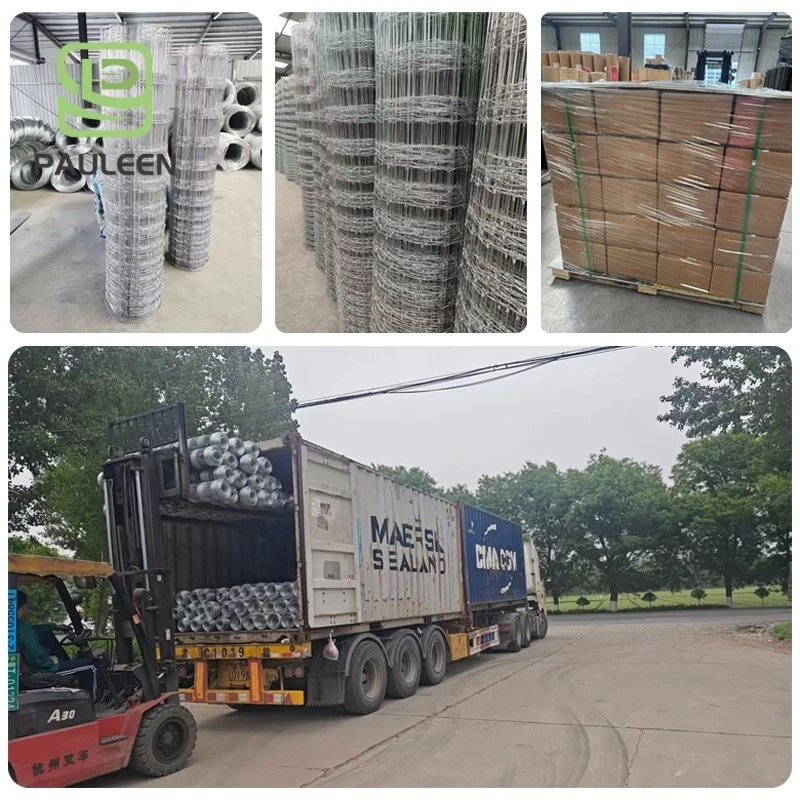
advantage of Deer Fence
Crop Protection:
Prevents deer from browsing, trampling, and destroying valuable agricultural crops, gardens, orchards, and landscaping plants.
Cost Savings:
Reduces significant financial losses caused by deer damage to plants, eliminating the need for constant replanting and replacement of ruined vegetation.
Durability & Longevity:
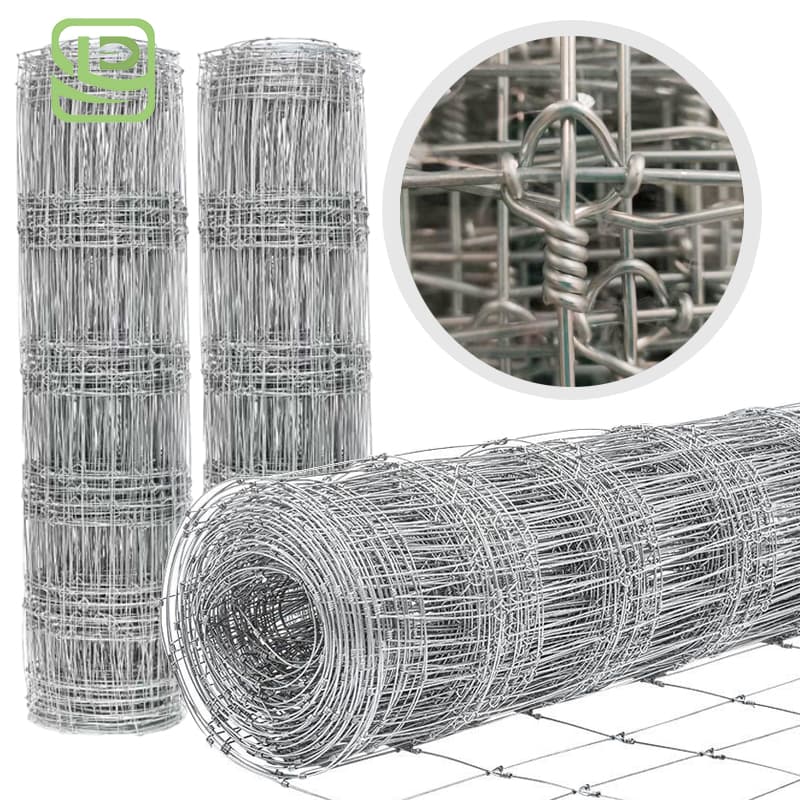
Constructed from high-tensile wire or robust plastic mesh, deer fences are designed to withstand weather, animal pressure, and last for many years with minimal maintenance.
Installation Versatility:
Can be adapted to various terrains (hills, woods, fields) and property sizes, and installed using different methods (wooden posts, T-posts, driven posts) to suit specific needs and budgets.
Eco-Friendly Solution:
Provides a physical barrier as a primary defense, reducing or eliminating the need for chemical repellents, hunting, or other potentially harmful deer control methods.
Safety Enhancement:
Helps prevent deer-vehicle collisions near roadways by deterring deer from entering high-traffic areas and reduces the risk of deer transmitting ticks (carrying Lyme disease) onto protected properties.
applications of Deer Fence
Garden Protection:
Shields vegetable plots, flower beds, and ornamental plants from deer browsing and trampling damage.
Crop Safeguarding:
Protects agricultural fields (like corn, soybeans, alfalfa) and valuable specialty crops from significant deer feeding losses.
Orchard/Vineyard Defense:
Prevents deer from damaging young trees, eating fruit/nuts/grapes, and rubbing bark with antlers in orchards and vineyards.
Landscape/Nursery Preservation:
Safeguards expensive ornamental shrubs, saplings, and young trees in landscaped areas, nurseries, and regenerating forests from deer damage.
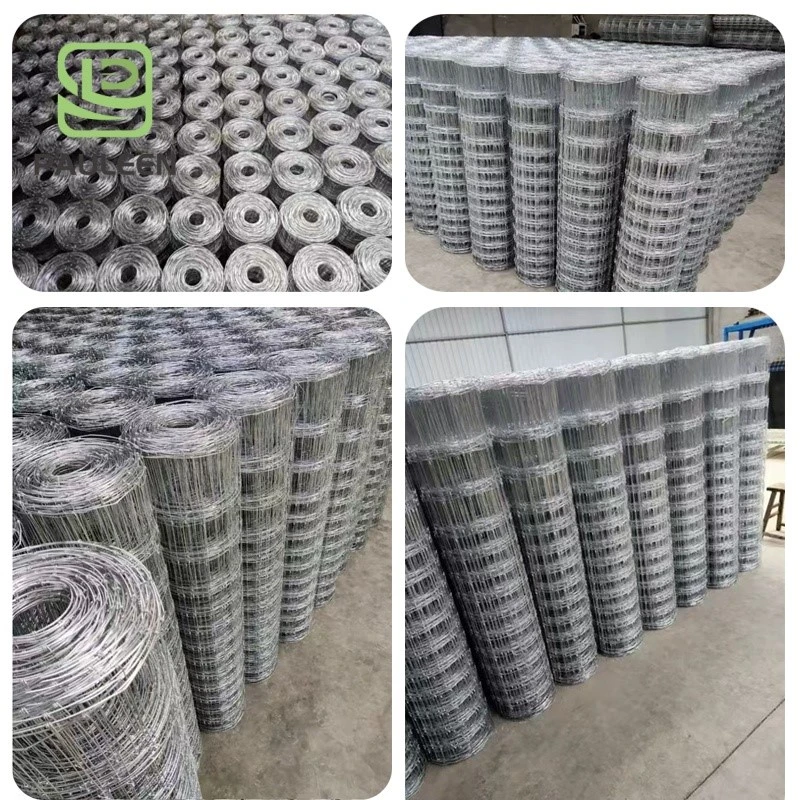
Our company

fAQ
1.Q: What fence elevation reliably deters deer entry?
A: Installations should reach at least 7.5–8 ft (2.3–2.4 m). This elevation typically prevents leaping, as deer struggle to gauge landing safety.
2.Q: Which barrier substances are advised for deer exclusion?
A: Primary options include:
Polypropylene Mesh: Budget-friendly, easy to install, and visually discreet; ideal for gardens.
Galvanized Metal Grids (Welded/Woven): Provide superior durability for permanent enclosures.
High-Tension Wire Systems: Utilize smooth, closely spaced cables (electrification optional), requiring robust post anchoring.
3.Q: How long do deer-resistant fences typically endure?
A: Material longevity differs significantly:
Polymer Mesh: 5–10+ years; susceptible to UV degradation and weathering.
Galvanized Metal: Exceeds 20 years with proper installation; resists corrosion and chewing.
Tensioned Wire: Offers extended service life, especially when electrified. Non-powered versions risk impact damage.
4.Q: Is self-installation practical, or are experts strongly preferable?
A: Basic polypropylene systems on flat ground suit DIY projects. Professional expertise is critical for:
Large-scale or topographically complex sites (slopes, wooded zones)
Metal or tensioned-wire setups requiring precision
Maximizing efficacy, longevity, and visual harmony
Integrating access points with equivalent exclusion capabilities
5.Q: Do tailored entry solutions exist, and how essential is upkeep?
A: Gates: Potential vulnerability points. Must match fence height (optimally 8 ft) and create seamless ground/perimeter seals. Self-closing mechanisms are advantageous.
Maintenance: Vital for sustained performance:
Conduct periodic checks for damage, slackening, or breaches
Clear invasive vegetation compromising structural integrity
Verify post stability and wire tension
Routinely assess gate functionality and sealing efficiency
Hot Tags: anti deer fence for garden, China anti deer fence for garden manufacturers, suppliers, factory, Deer Animal Protection Fence Screen, Meters Deer Fence, Agriculture Mesh Deer Fence, Agricultural Deer Fence, Fixed Knot Field Fence For Deer, Anti Deer Fence For Garden