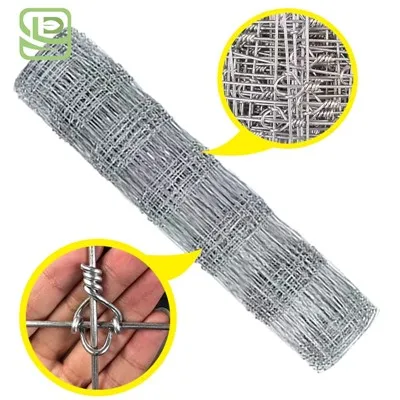
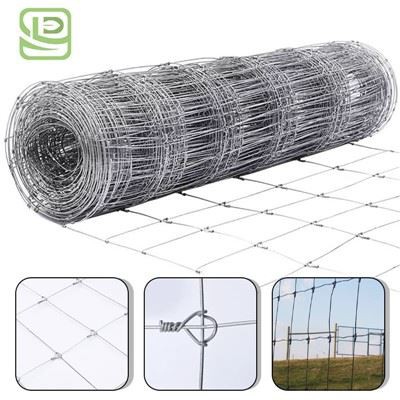
Products Description:
| Product Name | Animal Wire Mesh Fence for Deer |
| Surface Treatment | Electiric Galvanized/Hot dipped galvanized |
| Usage | Protecting, Factory, Home Security, fencing mesh |
|
Sample |
Sample are free for customers |
| place of origin | Hebei, China |
| Material | Iron Wire/Stainless Steels |
| Color |
Silver,etc |
| Length | 10-200m |
| Application | Agricultural, Farm field |
| Height | 0.6m-2.6m |
application of Products

Crop Protection:
Shield agricultural fields.
Prevents deer from browsing and trampling valuable food crops like vegetables, grains, and berries.
Orchard Safeguarding:
Defend fruit trees.
Protects young saplings and mature fruit trees (apples, cherries, peaches) from bark damage and browsing that reduces yield.
Nursery Stock Shielding:
Guard ornamental plants.
Shields high-value nursery plants, saplings, and ornamental shrubs from deer feeding, ensuring salable quality.

Residential Garden Defense:
Protect home landscapes.
Keeps deer out of residential yards and gardens to prevent damage to flowers, vegetables, shrubs, and landscaped areas.
Reforestation Site Barrier:
Secure young seedlings.
Creates a protective zone around newly planted trees in reforestation or afforestation projects, allowing seedlings to establish without browsing.
Highway Safety Perimeter:
Deter roadside browsing.
Installed along highways to discourage deer from entering the right-of-way, reducing the risk of dangerous vehicle collisions.
Our Deer Fence
PAULEEN
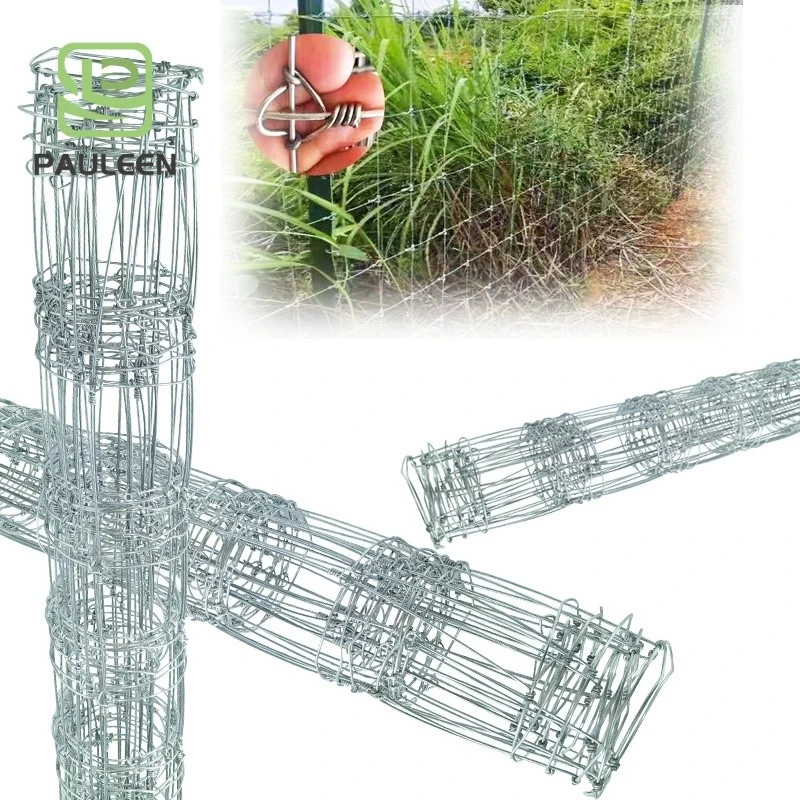
Plant Protection:
Physically blocks deer from entering and damaging gardens, crops, orchards, or landscaped areas.
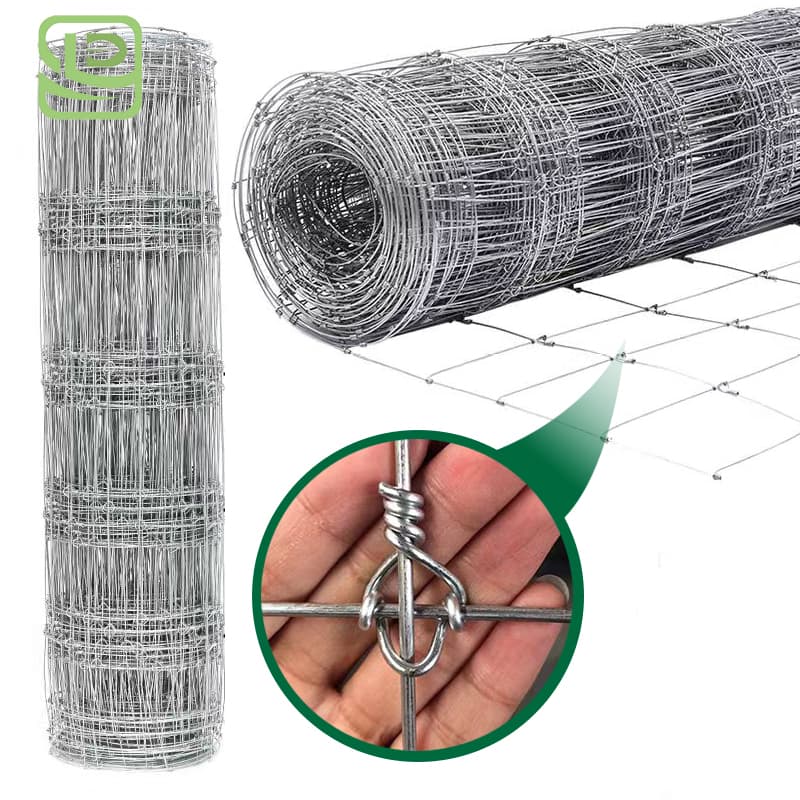
Cost-Efficient:
Prevents significant financial losses by stopping deer from consuming or destroying valuable plants, offering long-term savings.
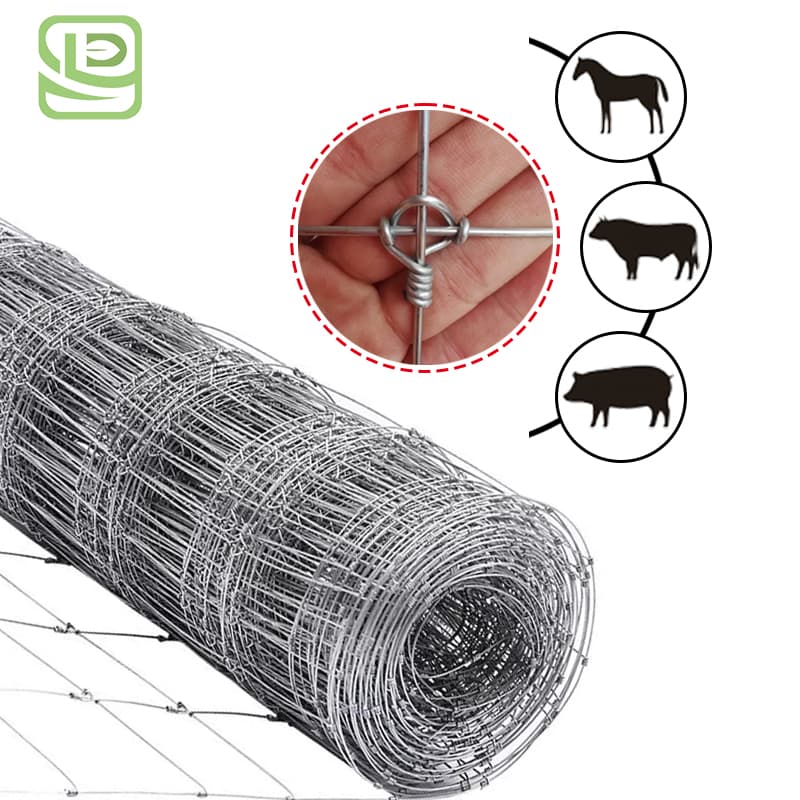
Long-Lasting:
Made from durable materials (like polypropylene or vinyl-coated steel), deer fences provide reliable protection for many years with minimal maintenance.
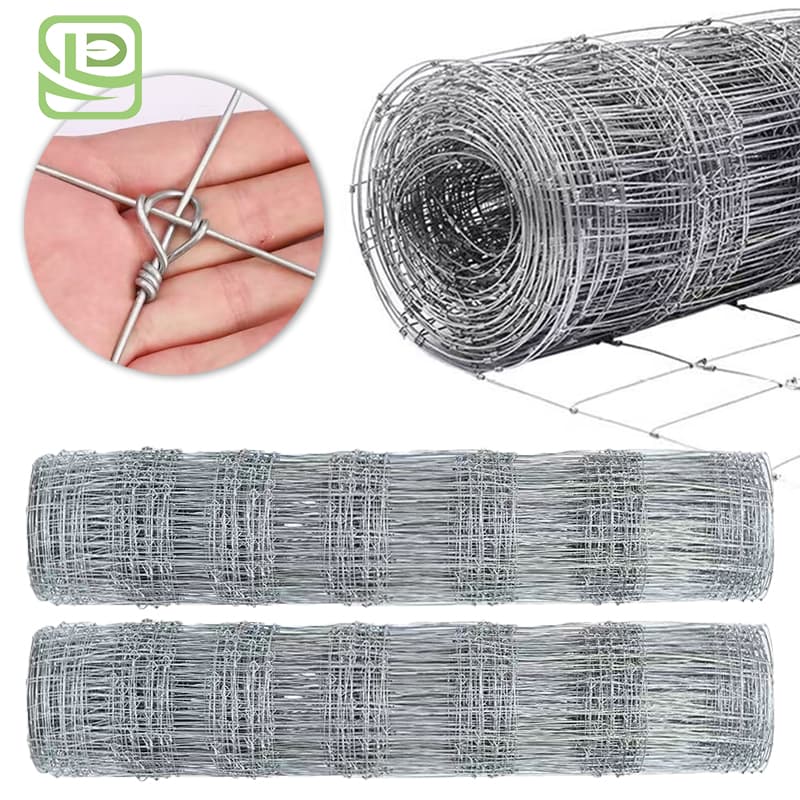
Humane Deterrence:
Effectively keeps deer away without causing them physical harm, providing a non-lethal wildlife management solution.
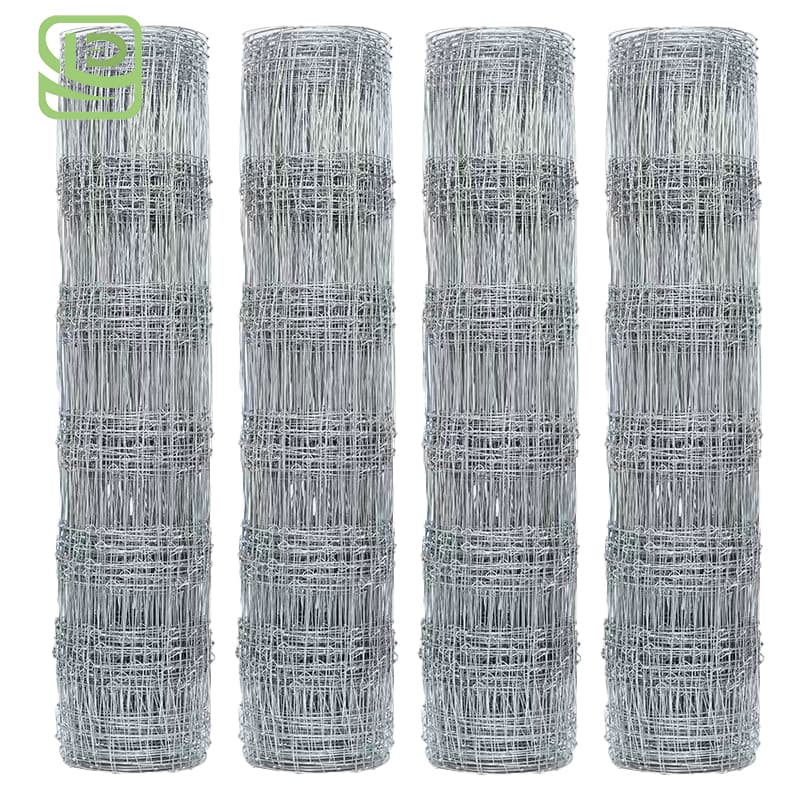
Installation Flexibility:
Can be adapted to various terrains, property sizes, and specific needs (e.g., height, visibility) and integrated with gates or other structures.
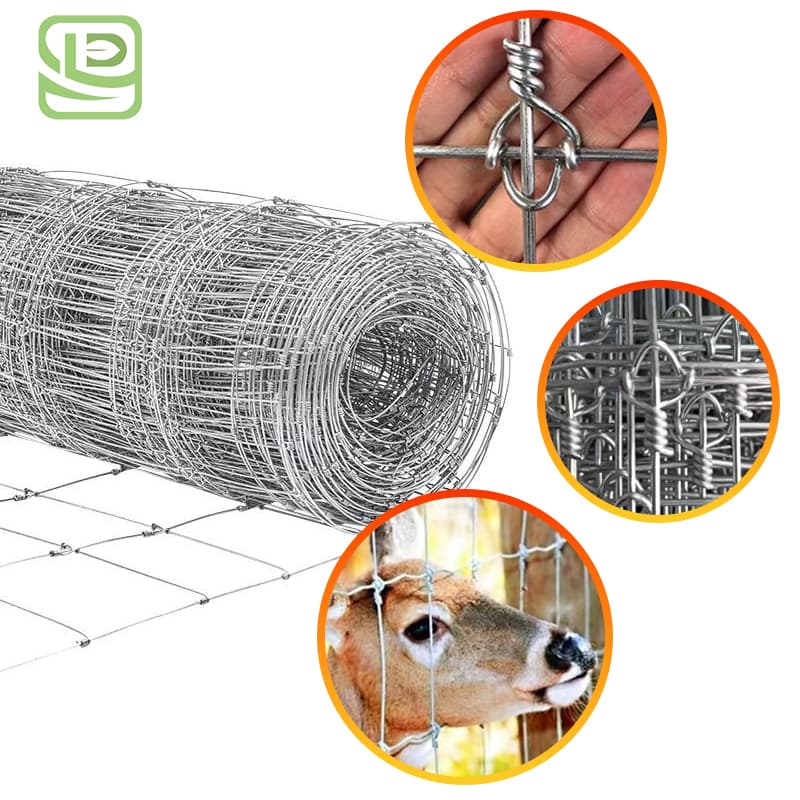
Property Value Preservation:
Protects investments in landscaping, gardens, and agricultural assets, maintaining or enhancing the aesthetic and economic value of the property.

fAQ
1.Q: How tall should a deer barrier be for reliable performance?
A: An optimal vertical height of 7.5–8 feet (2.3–2.4 meters) is advised. This usually discourages jumping as deer cannot assess landing security visually.
2.Q: Which materials are commonly chosen for deer deterrent enclosures?
A: Key alternatives feature:
Synthetic Netting (Polypropylene): Economical, low-weight, discreet option suited to gardens and orchards.
Metal Barriers (Welded/Woven): Offers superior resilience for fixed setups, frequently galvanized for robustness.
Tensioned Wire: High-strength smooth wires under strain, occasionally electrified. Demands robust post anchoring.
PVC-Coated Metal: Merges metallic strength with plastic sheathing for oxidation resistance and moderate visibility.
3.Q: What operational lifespan do deer fences generally have?
A: Material endurance differs notably:
Synthetic Netting: 5–10+ years; longevity hinges on UV radiation and weather. Prone to ripping.
Galvanized Metal: Lasts over 20 years if correctly installed; withstands gnawing and environmental wear.
Tensioned Wire: Highly durable, particularly when electrified. Non-electrified variants may incur impact damage.
PVC-Protected Metal: Enhanced service duration owing to anti-corrosion cladding.
4.Q: Is DIY installation feasible for deer fencing, or are specialists preferable?
A: Self-installation works for basic polypropylene setups on level ground. However, professional assistance is prudent for:
Expansive or topographically intricate sites (sloped/forested zones)
Metal or tensioned wire systems needing accurate adjustment
Guaranteeing peak efficacy, durability, and visual harmony
Incorporating access points with matching deterrent properties
5.Q: Do dedicated access points exist, and how vital is maintenance?
A: Gates: Constitute primary weak spots. Should equal fence elevation (preferably 8ft) and close flush with terrain and edges. Automatic latching is beneficial.
Upkeep: Crucial for ongoing functionality:
Routinely examine and mend rips, dips, or gaps
Remove encroaching flora (vines, limbs) that might weaken the barrier
Confirm post firmness and wire tautness
Periodically evaluate gate mechanisms and closures
Hot Tags: animal wire mesh fence for deer, China animal wire mesh fence for deer manufacturers, suppliers, factory, Galvanized Fixed Knot Deer Fence, Anti Deer Fence For Garden, Agricultural Deer Fence, Deer Animal Protection Fence Screen, Agriculture Mesh Deer Fence, Fixed Knot Field Fence For Deer