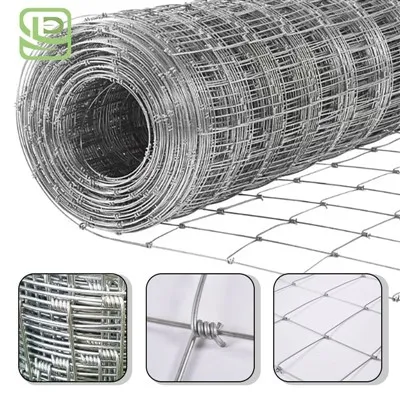
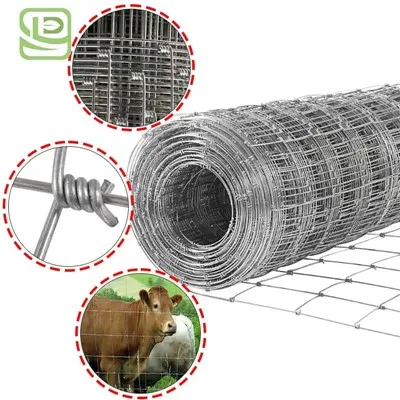
Products Description:
| Product Name | Cattle Farm Fence |
| Surface Treatment | Electiric Galvanized/Hot dipped galvanized |
| Usage | Protecting, Factory, Home Security, fencing mesh |
|
Sample |
Sample are free for customers |
| Place of origin | Hebei, China |
| Material | Iron Wire/Stainless Steels |
| Color |
Silver,etc |
| Length | 10-200m |
| Application | Agricultural, Farm field |
| Height | 0.6m-2.6m |
Cattle Fence
PAULEEN

Cattle Fence

Size of Cattle Fence

Cattle Fence Stock
advantage of Cattle fence

Containment & Control:
Keeps cattle safely within designated grazing areas or away from hazards like roads.

Safety & Protection:
Protects cattle from predators and prevents accidental injuries from wandering or traffic.

Pasture Management:
Enables controlled grazing, allowing sections of pasture to rest and regrow, improving forage quality.

Boundary Definition:
Clearly marks property lines and separates different livestock groups or farm zones (e.g., crops from pasture).


fAQ
1.Q:What is the most durable type of fencing for cattle?
A:High-tensile (HT) steel wire fencing or woven wire fences are highly durable for cattle. They withstand pressure, weather extremes, and animal impact better than many alternatives. Proper installation and tension maintenance are key for longevity.
2.Q:How high should a cattle fence be?
A:Standard cattle fences are typically 4.5 to 5 feet (1.4–1.5 meters) high. For larger breeds (e.g., bulls) or jumpers, 5.5–6 feet (1.7–1.8 meters) may be needed. The bottom wire should be close to the ground to prevent calves from crawling under.
3.Q:What spacing is recommended between fence posts?
A:Line posts: 8–16 feet (2.5–5 meters) apart, depending on terrain and fence type (closer for uneven land).
Corner/bracing posts: Critical for tension; use H-braces or diagonal braces and anchor them deeply.
4.Is electric fencing effective for cattle?
A:Yes, when properly installed. Use 2,000–4,000 volts for reliable containment. Polywire/tape or electrified high-tensile wires work well for rotational grazing. Ensure good grounding (3+ rods in moist soil) and consistent voltage checks.
5.How do I prevent cattle from leaning on or damaging fences?
A:Install hot (electric) wires at nose level (e.g., a single wire offset 6–12 inches inside the fence).
Use rigid materials (e.g., steel posts or wood) in high-traffic areas.
Ensure adequate forage/feed access to reduce boredom or crowding near fences.
Hot Tags: cattle farm fence, China cattle farm fence manufacturers, suppliers, factory, Cattle Corral Fence, Cattle Yard Fence, Cattle Fence Gate, Galvanized For Cattle Fence, Electric Fence For Cattle, Cattle Fixed Knot Field Fence