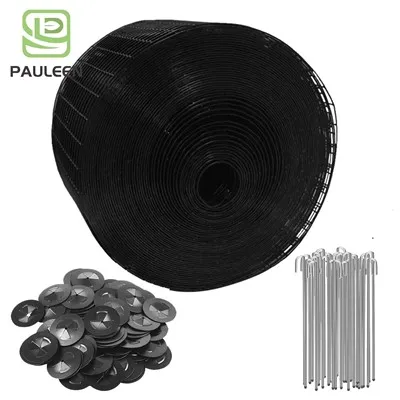
Products Description:
| Product Name | Low-carbon Oval Wire |
| Sample | Sample are free for customers. |
| Where To Use | Fencing,Enclosures,Construction Reinforcement |
| Product include | Hot-Dip Galvanized Wire,Electro-Galvanized Wire,Stainless Steels |
| Material | Galvanized Iron Wire/Galvanized Steel Wire |
| Wire diameter | 0.2mm-4.4mm |
| Delivery Time | 25-30 days |


What Is Galvanized Wire?

Galvanized Wire
Galvanized wire is steel wire coated with a protective layer of zinc through a process called galvanization. This zinc coating provides excellent corrosion resistance, significantly extending the wire's lifespan and durability, especially when exposed to moisture or harsh outdoor environments. Available in various thicknesses (gauges) and strengths, it is commonly produced via hot-dip galvanizing (immersing in molten zinc) or electro-galvanizing (applying zinc electrolytically). Due to its strength, weather resistance, and affordability, galvanized wire is widely used in applications such as fencing, construction reinforcement, agricultural uses (like vineyard trellising), baling, mesh production, and general industrial binding or tying tasks.
advantage of Galvanized wire
Corrosion Resistance
The zinc coating acts as a physical barrier against moisture and oxygen, and sacrificially corrodes before the underlying steel, significantly slowing rust and degradation.
Longevity
Due to its superior corrosion resistance, galvanized wire has a much longer service life, especially in harsh outdoor or humid environments, compared to uncoated wire.
Strength
Galvanized wire is typically made from high-carbon steel, providing inherent high tensile strength. The zinc coating protects this strength by preventing rust-related weakening.


Cost-Effectiveness
While the initial cost may be slightly higher than uncoated wire, the significantly longer lifespan and reduced need for replacement or maintenance make it more economical in the long run.
Durability
The zinc coating provides excellent resistance to scratches, abrasion, and harsh weather conditions (sun, rain), making the wire physically robust and reliable.
Versatility
Galvanized wire is suitable for a vast range of applications, including fencing, construction, agriculture, binding, mesh, crafts, and marine uses, due to its strength, durability, and corrosion protection.
Application of Galvanized Wire
1.Construction & Building:
Reinforced Concrete: Binding rebar (tie wire) before concrete pouring.Masonry: Tying brick or block walls to structural frames (wall ties).Chain Link Fencing: The core wire for perimeter fencing, gates, and cages.Stucco Netting: Supporting stucco or plaster applications on walls.Roofing: Securing roof tiles or fastening components.
2.Agriculture & Farming:
Fencing: Field fencing, livestock enclosures (cattle, horses, sheep), poultry cages/runs, vineyard trellising, orchard fencing.Horticulture: Plant support (staking trees, vines, flowers), greenhouse structures.Baling: Baling hay, straw, cotton, and recyclables (bale ties).Animal Housing: Constructing cages, pens, and aviaries.
3.Industrial & Manufacturing:
Fasteners: Production of galvanized staples, nails, screws, and other hardware.Cable Armoring: Protection for electrical or communication cables.Mesh Production: Woven wire mesh for filters, screens, partitions, guards, and machine belts.Springs: Manufacturing springs requiring corrosion resistance (e.g., automotive, furniture).Wire Rope Cores: Serving as the core strand in larger galvanized wire ropes.


4. Packaging & Logistics:
Compacting & Securing: Stabilizing cardboard, paper, textiles, and other materials for transit/reprocessing (binding/sealing devices).
Heavy-Duty Banding: Robust strapping for unitized cargo or timber products.Reinforcing Sleeves: Strengthening material for flexible intermediate bulk containers (e.g., minerals, agricultural commodities).
5. Utilities & Infrastructure:
Support/Tension Cables: Stabilizing transmission poles, masts, and communication structures.Security Strand: The foundational element for protective boundary barriers.Rock Containment Systems: Wire fabric containers loaded with stone for slope stabilization, structural embankments, and watercourse protection.
6. Everyday & Consumer Goods:
Structural Frames: Core component for clothing supports.
Internal Framework Components: Parts within domestic machines like rack braces or flexible elements.Wire Mesh Sheeting: Grid material employed for drainage shields, pest barriers, and creative endeavors.
Creative Medium: Framework for sculptural forms, adornment fabrication, outdoor artistry.Plant Support Systems: Training vegetation, vegetative supports, organic waste containers, suspended receptacles.
Our company

fAQ
1.Q:What is Galvanized Wire?
A: Galvanized wire is steel wire that has been coated with a layer of zinc. This coating is applied through a process called galvanization, which protects the underlying steel from rust and corrosion.
2.Q:Why is Galvanized Wire Used?
A: The primary reason is corrosion resistance. The zinc coating acts as a barrier and a sacrificial anode, meaning it corrodes before the steel does, significantly extending the wire's lifespan, especially when exposed to moisture or harsh outdoor environments.
3.Q:How Long Does Galvanized Wire Last?
A: The lifespan varies greatly depending on the thickness of the zinc coating (measured in ounces per square foot or microns), the type of environment (e.g., marine, industrial, rural), and exposure conditions. Generally, it lasts much longer than bare steel wire, ranging from several years to decades in moderate conditions. Thicker coatings (like those from hot-dip galvanizing) offer the longest life.
4.Q:What are the Common Applications for Galvanized Wire?
A: Galvanized wire is incredibly versatile. Common uses include:
Fencing (chain link, barbed wire, farm fencing)
Construction (binding rebar, lashing, temporary supports)
Agriculture (vineyards, trellising, animal enclosures)
Industrial (mesh, springs, cables, wire forms)
Packaging and baling
Arts, crafts, and gardening projects.
5.Q:Does Galvanized Wire Require Maintenance?
A: While significantly more durable than bare wire, it's not entirely maintenance-free. Regular inspection is recommended, especially in harsh environments. Look for signs of white rust (zinc oxide/carbonate) or, eventually, red rust (steel corrosion) where the zinc coating may be damaged or depleted. Cleaning off dirt and debris can help prolong its life. Damaged sections should ideally be repaired or replaced.
Hot Tags: low-carbon oval wire, China low-carbon oval wire manufacturers, suppliers, factory, Galvanized Binding Wire, Galvanized Steel Wire, Hot Dipped Galvanized Steel Wire