



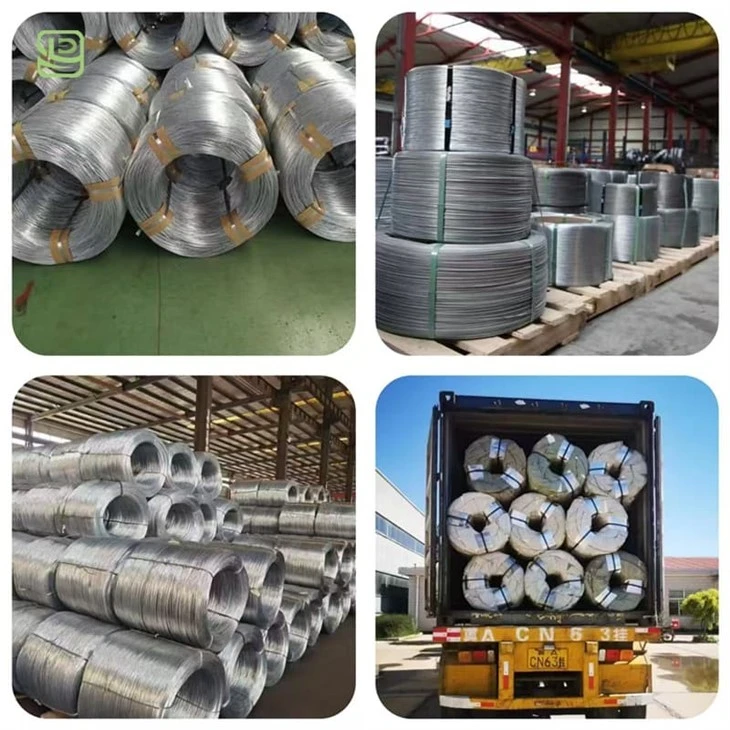
Products Description:
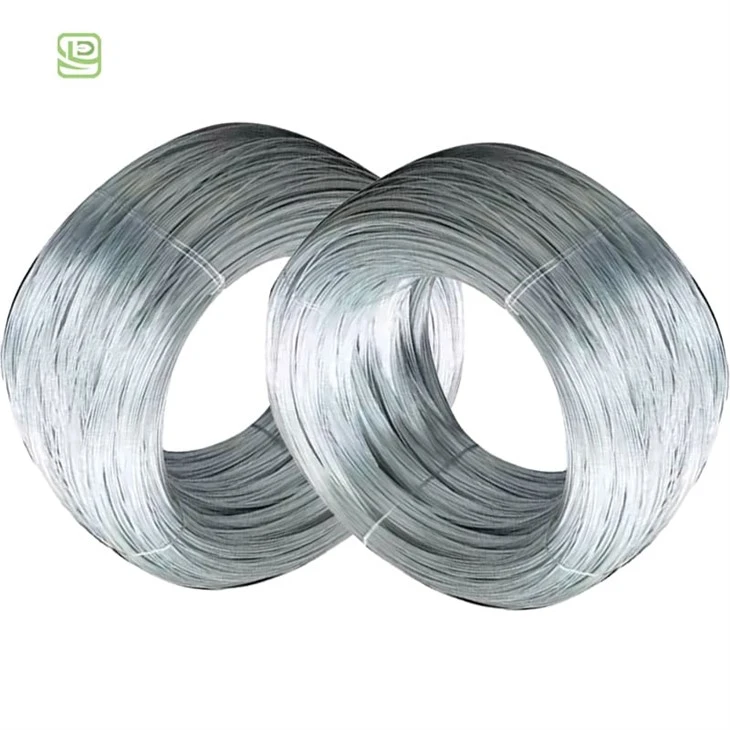
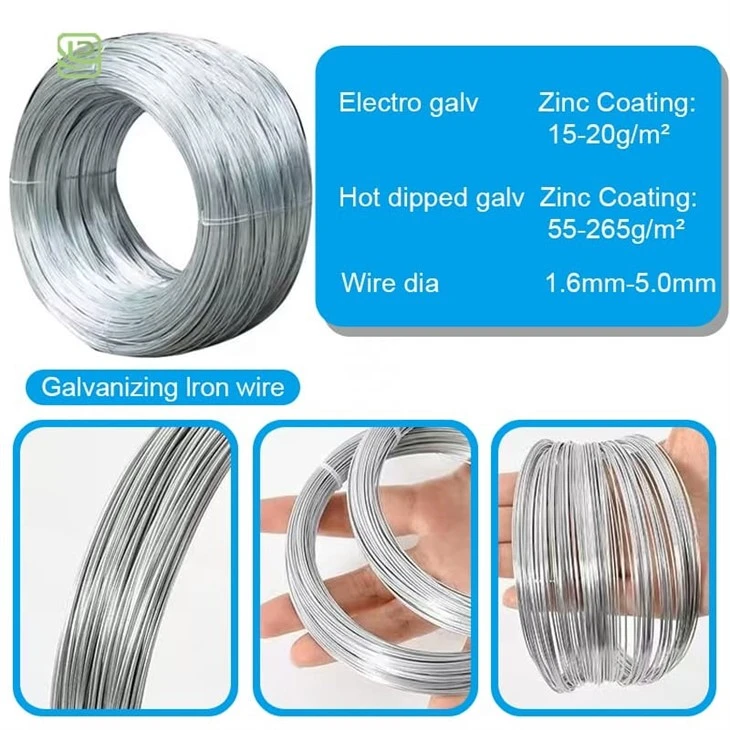
| Product Name | Electro Galvanized Iron Wire |
| Sample | Sample are free for customers. |
| Where To Use | Fencing,Enclosures,Construction Reinforcement |
| Product include | Hot-Dip Galvanized Wire,Electro-Galvanized Wire,Stainless Steels |
| Material | Galvanized Iron Wire/Galvanized Steel Wire |
| Wire diameter | 0.2mm-4.4mm |
| Delivery Time | 25-30 days |


What Is Galvanized Wire?

Galvanized Wire
Galvanized wire consists of steel strands encased in a protective zinc shield, applied through galvanization. This covering delivers superior defense against corrosion, substantially enhancing the material's service life and robustness, particularly under wet or severe exterior conditions. Manufactured in diverse diameters (gauges) and tensile ratings, it is typically created using either hot-dipping (submersion in molten zinc) or electrolytic deposition (zinc application via electrical current). Owing to its resilience, environmental endurance, and cost-effectiveness, this wire finds extensive use in fencing, structural reinforcement, agricultural supports (e.g., for vineyards), baling operations, mesh fabrication, and general industrial fastening or securing duties.
advantage of Galvanized wire
Corrosion Protection:
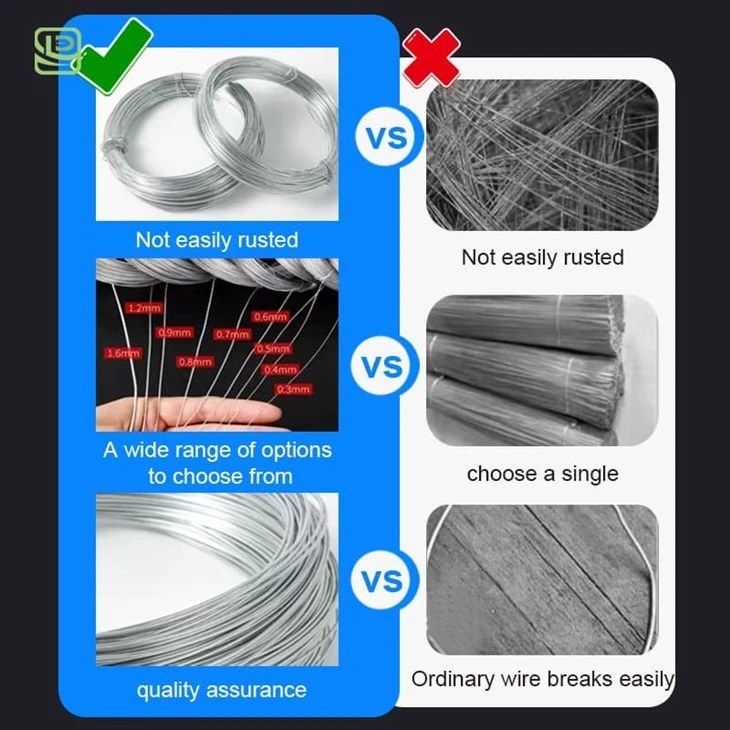
The zinc layer creates a physical shield, blocking moisture and air contact. Additionally, it functions as a sacrificial anode, corroding preferentially to protect the base steel, thereby drastically reducing oxidation and material deterioration.
Enhanced Durability:
This superior protective capability grants galvanized wire a significantly extended functional lifespan. It performs exceptionally well over prolonged periods, particularly in demanding outdoor settings or moisture-rich conditions, far exceeding the longevity of bare steel wire.
Structural Integrity:
Manufactured from robust high-carbon steel, zinc-coated wire possesses inherent high tensile strength. The protective zinc plating safeguards this load-bearing capacity by preventing the structural weakening associated with rust formation.


Economic Efficiency
Though the upfront price exceeds that of bare wire marginally, substantially prolonged service life and diminished replacement or upkeep requirements ensure superior long-term value.
Resilience
Zinc plating offers exceptional defense against scratches, wear, and environmental stressors (UV exposure, precipitation), enhancing structural integrity and dependability.
Adaptability
Owing to its tensile strength, endurance, and rust-defying properties, galvanized wire serves diverse purposes-from fencing, construction, and agricultural applications to binding, mesh fabrication, artisanal projects, and marine environments.
Application of Galvanized Wire
1. Structural Development & Edifice Creation
Structural Reinforcement: Securing reinforcement bars (fastening wire) prior to concrete placement.
Stonework/Bricklaying: Anchoring masonry elements to structural frameworks (masonry connectors).
Perimeter Barrier Systems: Core strand material for boundary fencing, access points, and enclosures.
Exterior Plaster Backing: Underlay for cementitious coatings on vertical surfaces.
Rooftop Assembly: Fixing roofing elements or attaching installation components.
2. Cultivation & Agribusiness
Boundary Demarcation: Pasture fencing, animal containment systems (bovine, equine, ovine), avian enclosures/runs, vine support systems, orchard barriers.
Botanical Management: Vegetation stabilization (supporting saplings, climbers, blooms), glasshouse frameworks.
Compacted Material Binding: Bundling dried grasses, cereal residues, cotton fibers, and processed waste (bale fasteners).
Livestock Accommodation: Erecting confinement units, holding pens, and bird habitats.
3. Production & Fabrication
Joining Components: Manufacturing zinc-coated staples, fastening spikes, threaded fasteners, and related hardware.
Conduit Shielding: Protective sheathing for electrical/telecommunication lines.
Woven Metal Fabrication: Engineered mesh for filtration, sieves, dividers, safety screens, and machinery belting.
Resilient Components: Producing oxidation-resistant springs (e.g., vehicular, furnishings applications).
Cordage Central Elements: Acting as foundational strands within larger zinc-treated steel cables.


4. Packaging & Logistics:
Compaction & Immobilization: Securing cardboard, paper, textiles, and similar materials during transport/reprocessing (fastening/closure equipment).
Reinforced Strapping: High-strength bands for consolidated shipments or timber bundles.
Reinforcement Sleeving: Structural augmentation for FIBCs (e.g., mineral ores, agricultural bulk goods).
5. Utilities & Infrastructure:
Anchor/Tension Lines: Stabilizers for utility poles, towers, and communication installations.
Barrier Core Strand: Fundamental component in perimeter security fencing.
Rock Retention Solutions: Stone-filled wire cages for embankment reinforcement, slope integrity, and channel safeguarding.
6. Everyday & Consumer Goods:
Garment Framing: Essential skeletal elements for apparel displays.
Appliance Internal Bracing: Structural parts within household devices (e.g., shelf supports or flexible connectors).
Mesh Panel Solutions: Grid material for gutter guards, vermin screens, and artistic projects.
Artistic Fabrication Base: Framework for sculptures, decorative pieces, and exterior installations.
Vegetation Management Systems: Plant training aids, growth supports, compost enclosures, and hanging planters.
Our company

fAQ
1.Q: What is galvanized wire?
A: Galvanized wire is steel wire coated with a protective layer of zinc through a process called galvanization. This coating prevents rust and corrosion, making the wire durable for outdoor or harsh environments.
2.Q: What are the main applications of galvanized wire?
A: It's widely used in fencing, construction, agriculture (e.g., vineyard trellising), mesh production, binding/cabling, and DIY projects due to its strength, flexibility, and corrosion resistance.
3.Q: How long does galvanized wire last?
A: Depending on the environment (e.g., exposure to moisture, salt, or chemicals), it typically lasts 20-50 years. Thicker zinc coatings (e.g., hot-dip galvanizing) offer longer protection than thinner electroplated coatings.
4.Q: Can galvanized wire be used for electrical purposes?
A: No, it's not suitable for electrical wiring. Galvanized wire is primarily for structural, fencing, or mechanical uses. Electrical wiring requires specially insulated copper or aluminum conductors.
5.Q: What's the difference between hot-dip and electro-galvanized wire?
A:Hot-Dip Galvanizing (HDG): The wire is dipped in molten zinc, creating a thick, durable coating ideal for outdoor/industrial use.
Electro-Galvanizing (EG): Zinc is applied via electrolysis, resulting in a thinner, smoother coating better suited for indoor or less corrosive environments.
Hot Tags: electro galvanized iron wire, China electro galvanized iron wire manufacturers, suppliers, factory, Galvanized Binding Wire, Galvanized Steel Wire, Hot Dipped Galvanized Steel Wire


