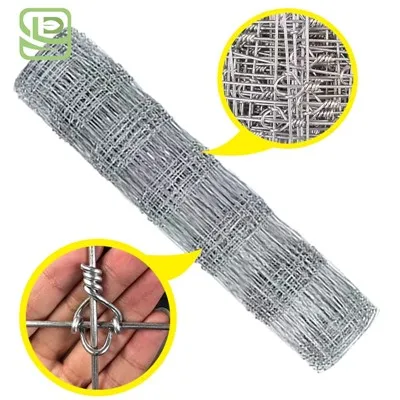
Products Description:
| Product Name | Poultry Netting Electric Fence For Deer |
| Surface Treatment | Electiric Galvanized/Hot dipped galvanized |
| Usage | Protecting, Factory, Home Security, fencing mesh |
|
Sample |
Sample are free for customers |
| place of origin | Hebei, China |
| Material | Iron Wire/Stainless Steels |
| Color |
Silver,etc |
| Length | 10-200m |
| Application | Agricultural, Farm field |
| Height | 0.6m-2.6m |
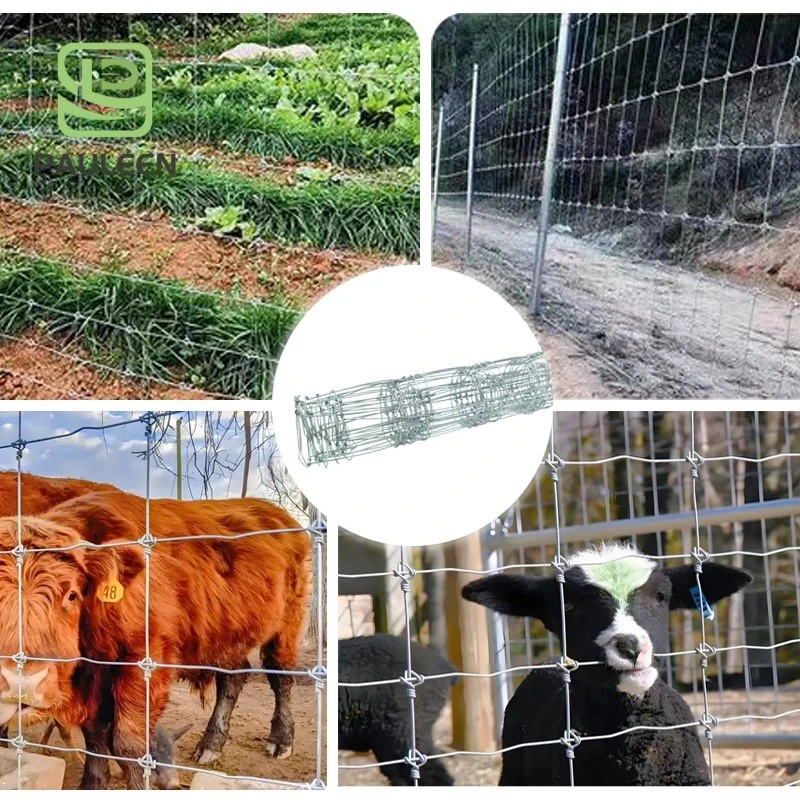
product SHOWS
PAULEEN
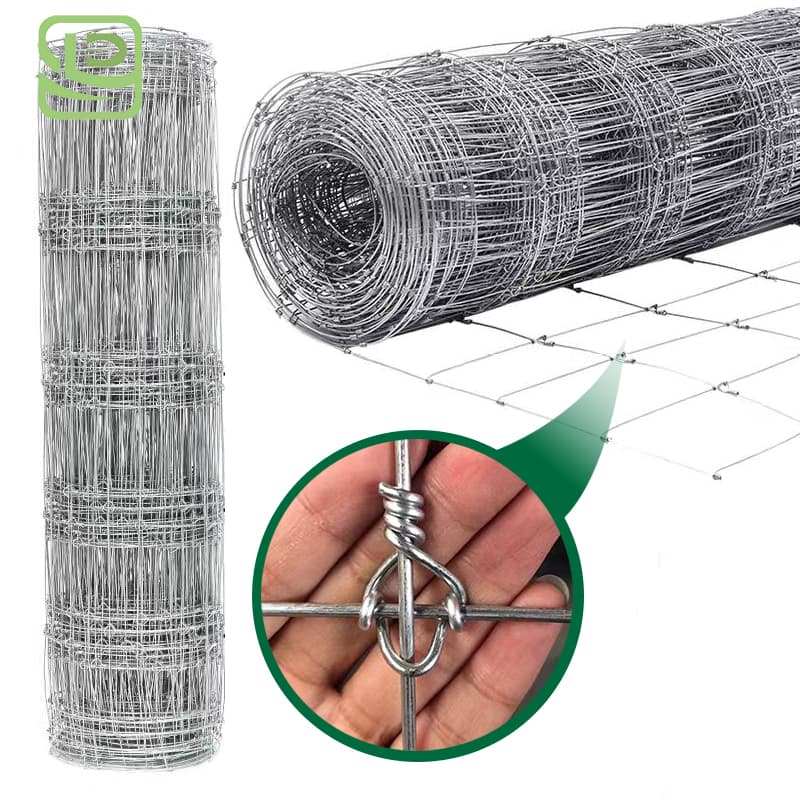
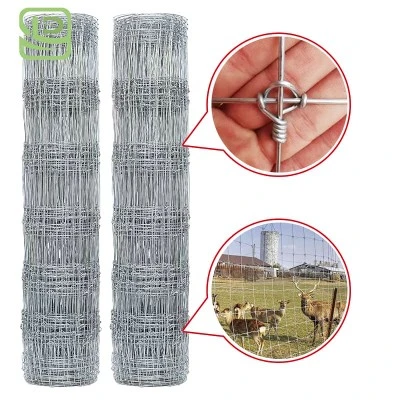
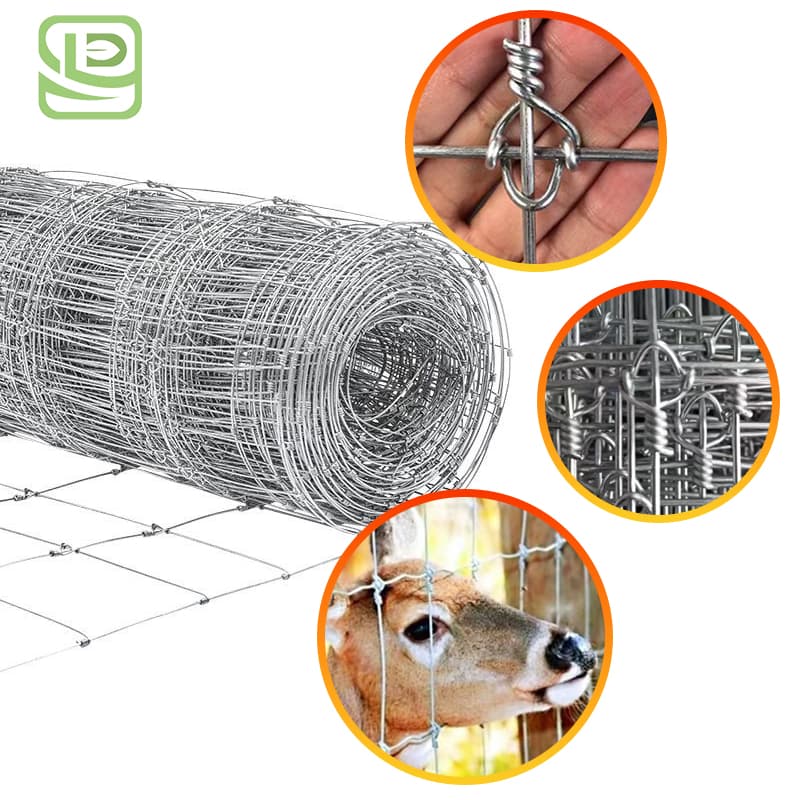
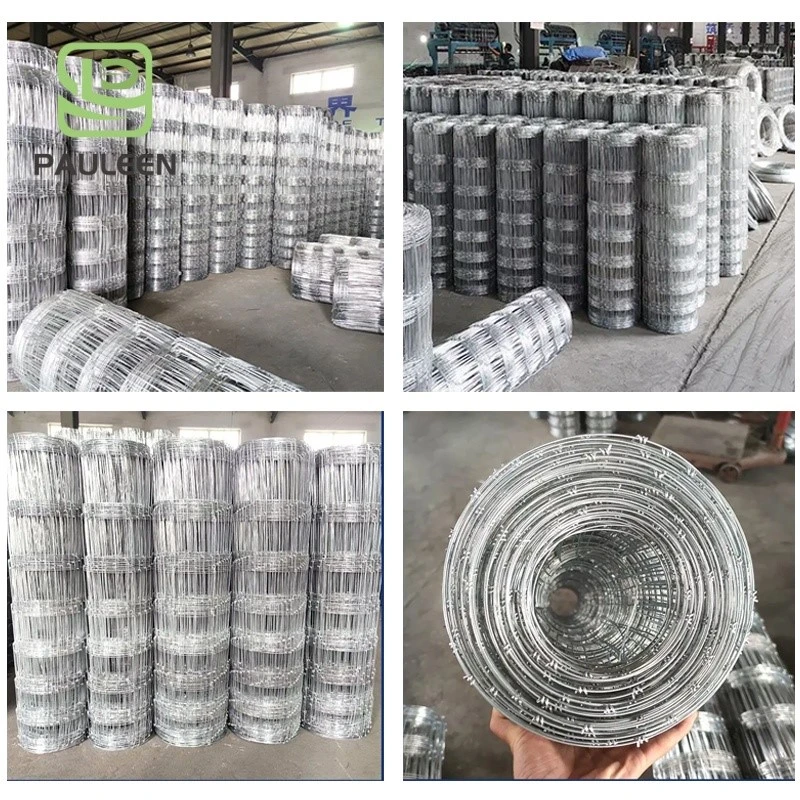
A deer fence is a specialized barrier designed to exclude deer and other large wildlife (like elk or moose) from specific areas. Its primary purpose is to protect gardens, agricultural crops, orchards, nurseries, young tree plantations, landscaped yards, and natural regeneration areas from browsing, trampling, and damage caused by deer.
product applications
Crop Protection:
Shields agricultural fields (vegetables, fruits, grains) and orchards from deer browsing, trampling, and consumption, preventing significant yield loss.
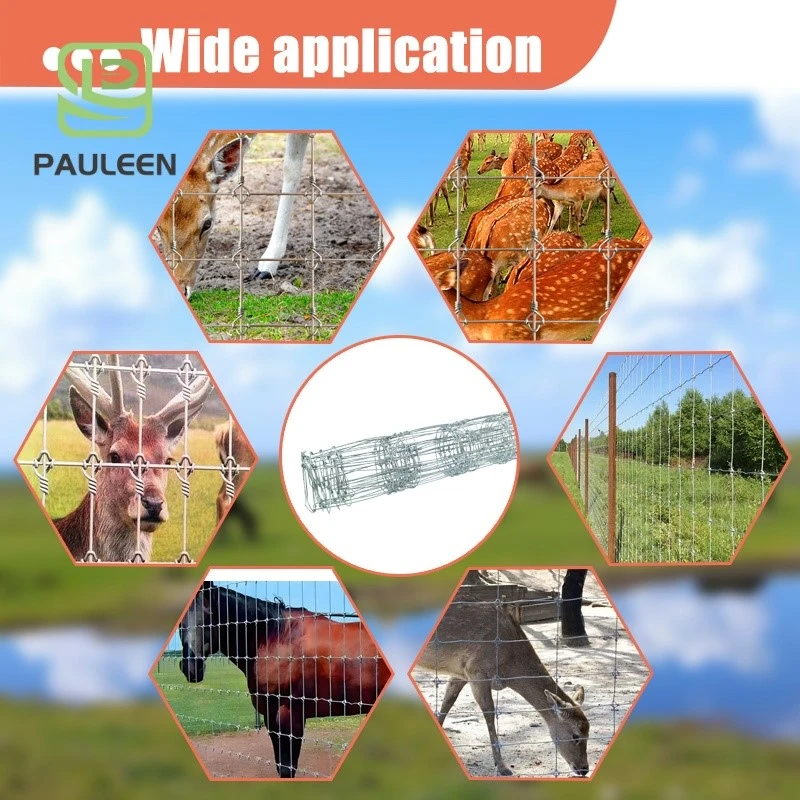
Sapling/Orchard Guard:
Protects young trees, seedlings in nurseries, and newly planted orchards from deer rubbing antlers on bark (causing damage) and browsing tender shoots, ensuring healthy growth and survival.
Garden/Landscape Defense:
Secures residential and ornamental gardens, landscaped areas, and prized ornamental plants (flowers, shrubs) from deer feeding and damage, preserving aesthetics and investment.
Disease Control Barrier:
Helps prevent the spread of Chronic Wasting Disease (CWD) among deer populations by restricting their movement between areas and reducing contact at feeding sites (where transmission risk is higher).


FAQ
1.Q: What minimum height reliably prevents deer intrusion?
A: 7.5–8 ft (2.3–2.4 m) is the recommended range. This height generally inhibits jumping because deer cannot assess landing safety visually.
2.Q: Which barrier materials are commonly chosen for deer deterrence?
A: Key selections encompass:
Polymer Mesh (Polypropylene): Budget-friendly, lightweight, and low-profile; optimal for gardens or orchards.
Metal Grids (Welded/Woven): Offer maximum robustness for fixed barriers, frequently galvanized to prevent deterioration.
Tensioned Cable Systems: Smooth high-tensile wires under strain, occasionally charged. Demand robust post footings.
3.Q: What functional duration can deer barriers attain?
A: Service life differs considerably by material:
Polymer Mesh: 5–10+ years; affected by UV and weather. Prone to damage.
Galvanized Metal: Surpasses 20 years if correctly installed; withstands gnawing and environmental exposure.
Tensioned Cable: Superior longevity, particularly when electrified. Non-powered versions pose impact injury risks.
4.Q: Is DIY installation feasible, or are professionals preferable?
A: Self-assembly is workable for basic polypropylene setups on level ground. Expert services are recommended for:
Extensive or complex terrain (sloped/forested areas)
Metal or tensioned-wire systems needing exact setup
Guaranteeing peak effectiveness, extended durability, and seamless visual integration
Implementing access points with matching exclusion properties
5.Q: Are specialized access points available, and how vital is maintenance?
A: Gates: Constitute critical potential weak points. Should equal fence height (preferably 8ft) and form tight seals with ground/perimeter junctions. Automatic latching is beneficial.
Maintenance: Crucial for sustained function:
Perform regular examinations to rectify rips, droops, or compromises
Remove encroaching vegetation (vines/branches) that undermines integrity
Inspect post anchoring and cable tautness
Periodically evaluate gate functionality and sealing effectiveness
Hot Tags: poultry netting electric fence for deer, China poultry netting electric fence for deer manufacturers, suppliers, factory, Deer Animal Protection Fence Screen, Fixed Knot Field Fence For Deer, Steel Deer Fence, Agriculture Mesh Deer Fence, Anti Deer Fence For Garden, Meters Deer Fence