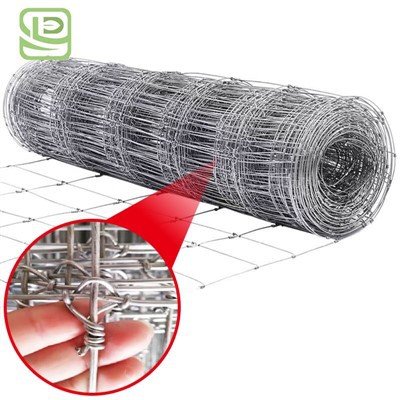
Products Description:
| Product Name | Deer Fence Netting |
| Surface Treatment | Electiric Galvanized/Hot dipped galvanized |
| Usage | Protecting, Factory, Home Security, fencing mesh |
|
Sample |
Sample are free for customers |
| place of origin | Hebei, China |
| Material | Iron Wire/Stainless Steels |
| Color |
Silver,etc |
| Length | 10-200m |
| Application | Agricultural, Farm field |
| Height | 0.6m-2.6m |
Core strengths
Physical Barrier:
Creates a tangible, impenetrable boundary that physically prevents deer from entering protected areas like gardens, orchards, or landscaped yards.
Cost-Effective Protection:
Provides long-term protection for valuable plants, crops, and landscaping, offering a high return on investment by preventing significant damage and loss compared to the fence's cost.
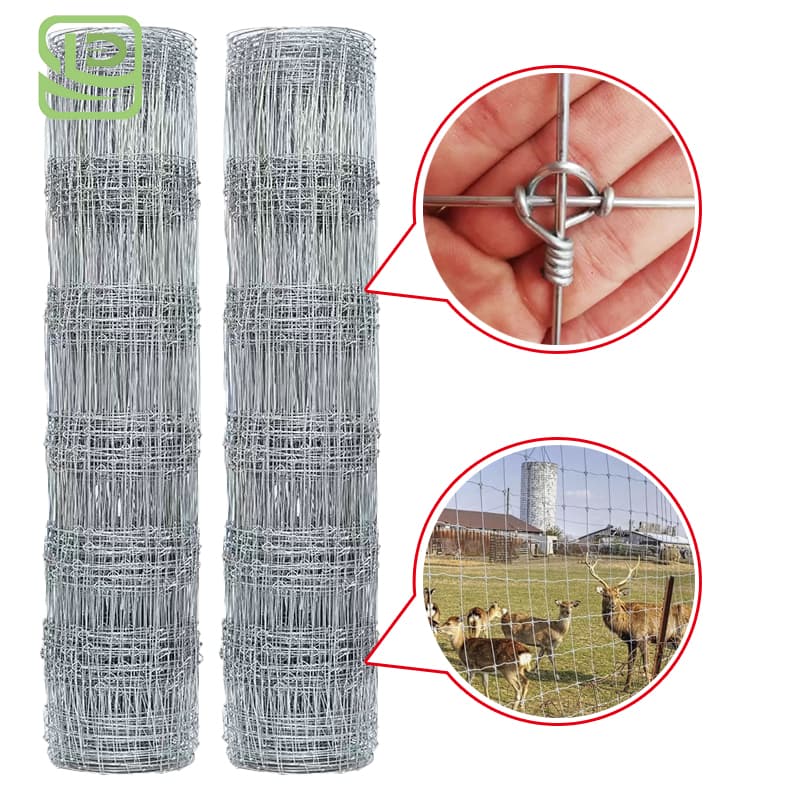
Crop/Plant Security:
Directly safeguards vegetation (flowers, vegetables, shrubs, trees, saplings) from browsing, trampling, and antler rubbing, ensuring healthier growth and harvests.
Durable & Long-Lasting:
Constructed from robust materials (like polypropylene mesh or metal), properly installed deer fences withstand weather and animal pressure for many years with minimal degradation.


Deer Fence applications
Residential Gardens & Landscaping
Protects ornamental plants, flowers, shrubs, and vegetable gardens in home yards from browsing and trampling damage.

Commercial Agriculture (Field Crops):
Safeguards valuable crops like soybeans, corn, alfalfa, and specialty vegetables in large fields from deer feeding and destruction.

Orchards & Vineyards:
Prevents deer from damaging fruit trees (bark rubbing, browsing shoots) and grapevines (eating buds, leaves, fruit) in commercial fruit and wine production.

Tree Nurseries & Plantations:
Shields young seedlings, saplings, and valuable nursery stock from browsing damage, which can stunt growth or kill young trees.
Our company

fAQ
1.Q:What is the recommended height for an effective deer fence?
A:An effective deer fence should be at least 7.5 to 8 feet (2.3 to 2.4 meters) tall. This height is generally sufficient to deter most deer from jumping over, as they typically won't attempt a jump they can't clearly see the landing for.
2.Q:What materials are deer fences typically made from?
A:Common materials include:
Polypropylene Plastic Mesh: Lightweight, affordable, and nearly invisible. Good for gardens and orchards.
Metal Wire Mesh (Welded Wire or Woven Wire): Very durable and strong, offering excellent long-term protection. Often galvanized.
High-Tensile Wire: Smooth wires under high tension, sometimes electrified. Requires sturdy posts.
PVC-Coated Metal Mesh: Combines metal strength with PVC coating for rust resistance and slightly better visibility.
3.Q:How durable is a deer fence, and how long does it last?
A:Durability varies significantly by material:
Polypropylene Mesh: Lasts 5-10+ years depending on UV exposure and weather conditions. Susceptible to tearing by larger animals or abrasion.
Metal Wire (Galvanized): Highly durable, lasting 20+ years with proper installation and minimal damage. Resists chewing and weather.
High-Tensile Wire: Very durable , especially if electrified. Susceptible to damage from falling branches or heavy impacts if not electrified.
PVC-Coated Metal: Offers excellent longevity due to corrosion resistance from the coating.
4.Q:Can I install a deer fence myself, or do I need a professional?
A:DIY installation is possible, especially for polypropylene mesh fences on smaller, relatively flat areas. However, professional installation is highly recommended for:
Larger properties or complex terrain (hills, woods).
Metal wire or high-tensile fences requiring precise tensioning and very sturdy post setting.
Ensuring maximum effectiveness, longevity, and a neat appearance.
Installing gates that are equally deer-proof.
5.Q:Do I need special gates, and how important is maintenance?
A:Gates: Yes, gates are critical weak points. They must be as tall as the fence (ideally 8 ft) and close securely with no gaps at the bottom or sides. Deer can easily exploit poorly designed or installed gates. Self-closing mechanisms are often recommended.
Maintenance: Regular maintenance is essential for long-term effectiveness. This includes:
Periodically checking for and repairing tears, sags, or holes (especially in mesh).
Ensuring vegetation (vines, branches) doesn't grow on the fence (providing leverage for deer) or create gaps under it.
Checking post stability and wire tension (for metal/high-tensile fences).
Inspecting gates and latches frequently.
Hot Tags: deer fence netting, China deer fence netting manufacturers, suppliers, factory, Deer Fixed Knot Joints Fence, Agricultural Deer Fence, Galvanized Fixed Knot Deer Fence, Steel Deer Fence, Deer Animal Protection Fence Screen, Anti Deer Fence For Garden