


Products Description:
| Product Name | Galvanized Welded Iron Wire Mesh Panel |
| Wire Diameter | 2.0mm-6.0mm |
| Aperture |
1″/2/″3″/4″/5″/6″/7″/8″ |
|
Sample |
Sample are free for customers |
| Width | 0.194-2.75mm |
| Length | be customization |
| Brand Name |
PAULEEN |
| Surface treatment | Galvanized/Hot Galvanized/PVC Coated |
| Application | Farm Fence |
| Color | Sliver,etc |
advantage of welded mesh panel
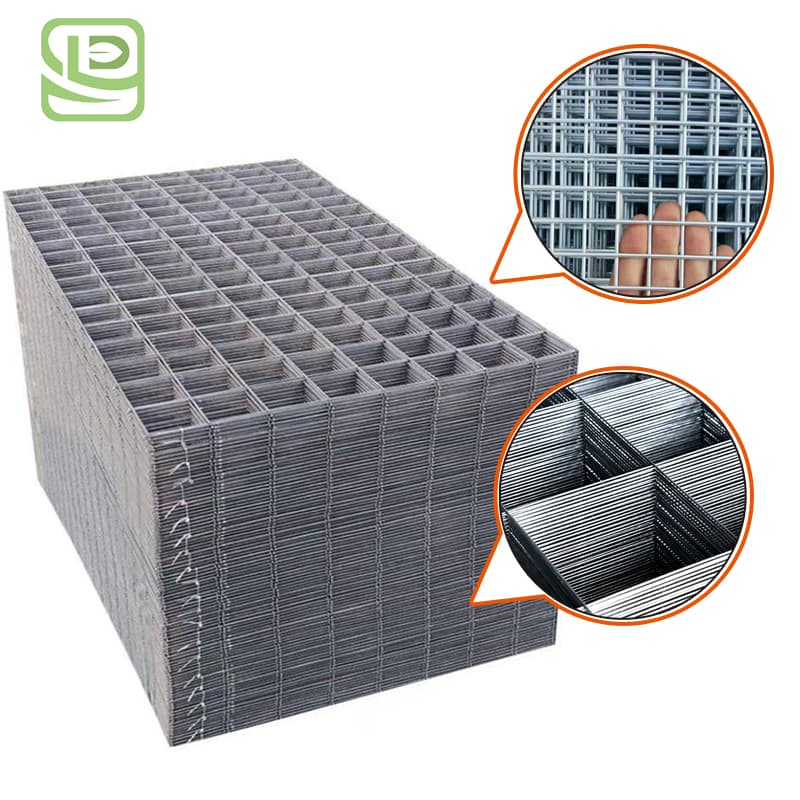
High Strength & Rigidity
The welded joints at every intersection lock the wires together, creating a rigid, load-bearing structure resistant to bending or deformation under pressure.
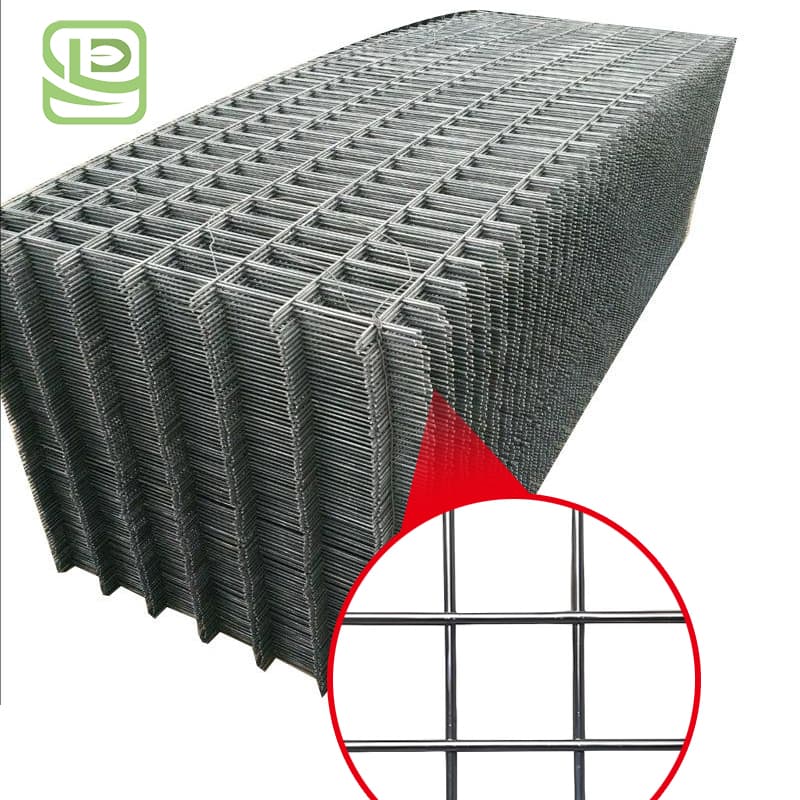
Durable & Long-Lasting
Often galvanized (zinc-coated) or made from stainless steel, welded mesh offers excellent resistance to corrosion, rust, and weathering, ensuring a long service life.
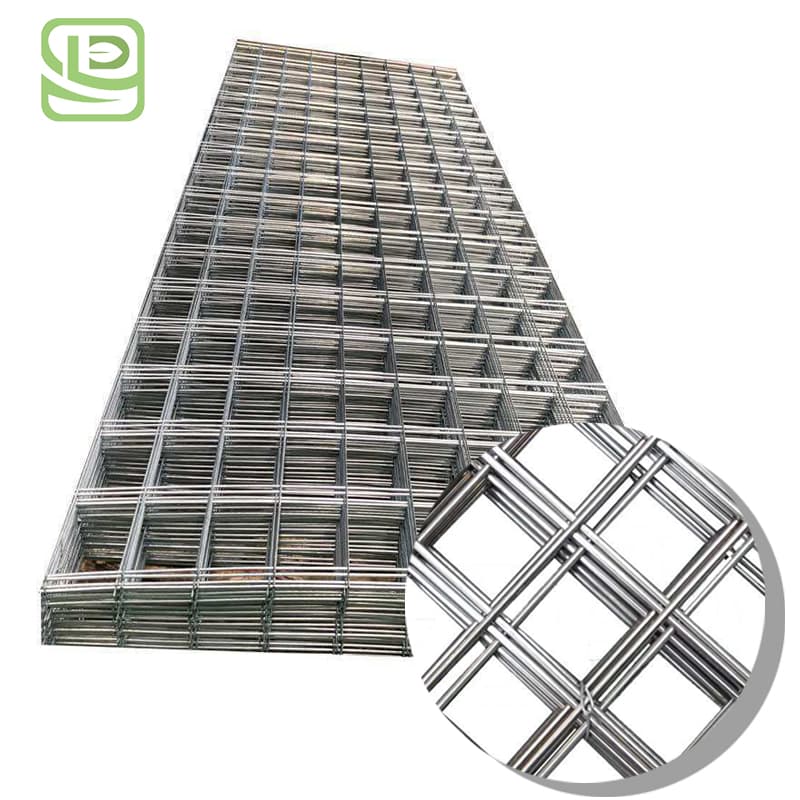
Fast & Easy Installation
Prefabricated into uniform panels of exact dimensions, welded mesh is significantly quicker and simpler to handle, position, and secure compared to loose wire or woven mesh.
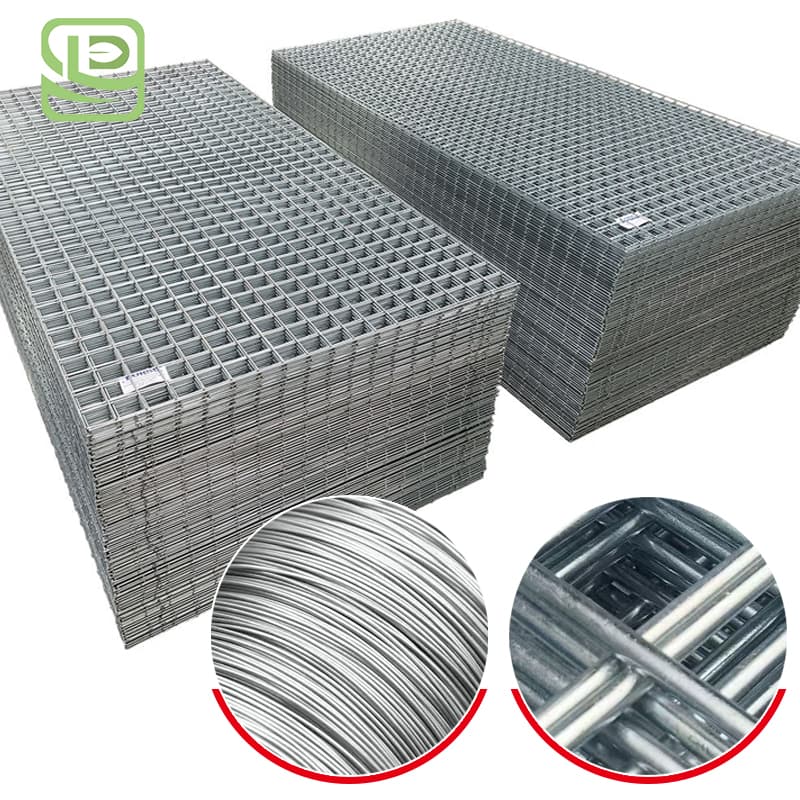
Versatile Application Range
Its combination of strength, uniformity, and various opening sizes makes it suitable for diverse uses: fencing, concrete reinforcement, machine guards, animal enclosures, shelving, gabions, and partitions.
What Is welded mesh panel?
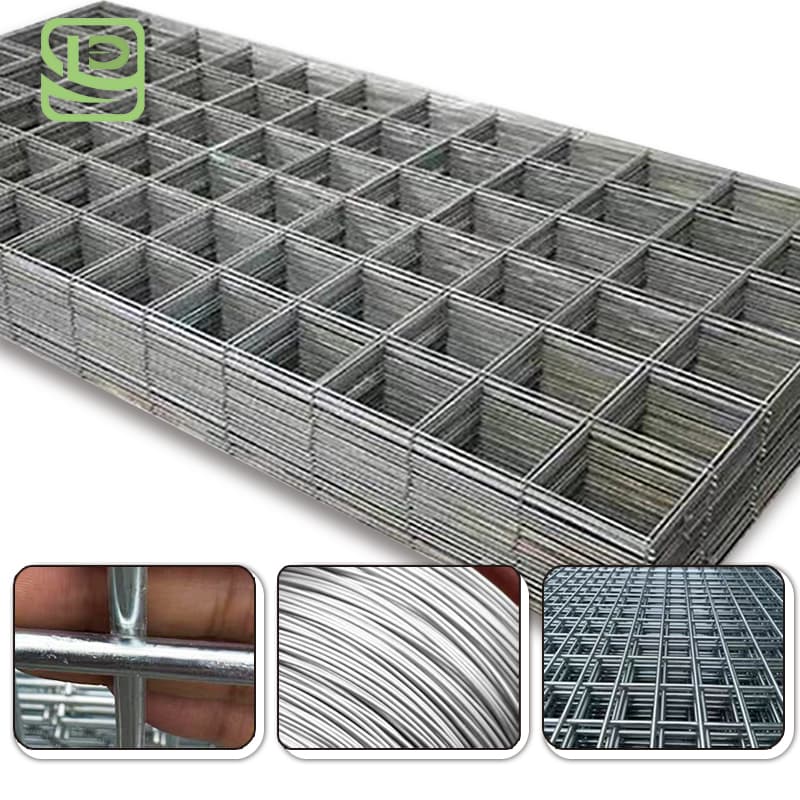
welded Mesh Panel
Welded mesh panel is an adaptable, sturdy building material created by fusing perpendicular steel wires into a consistent grid of square or rectangular openings. Utilizing automated electro-welding, the fused intersections deliver superior strength, rigidity, and dimensional accuracy. Typically fabricated from carbon steel wire, it is often coated (galvanized, PVC, or powder-coated) for enhanced corrosion protection and durability.
Key attributes include uniform apertures, high tensile strength, simple installation, and flexibility. This cost-effective solution is widely employed in diverse sectors such as:Concrete reinforcement,Security fencing & perimeter barriers,Machine guarding,Animal enclosures/cages,Gabions, retaining walls, shelving & partitions,Agricultural applications,Stucco/plaster lath
Its durability and customizable wire thickness, mesh size, and panel dimensions make it a versatile choice.

fAQ
1.Q: What polymers are typically used to manufacture plastic mesh?
A: Plastic mesh primarily consists of polymeric compounds such as Polyethylene (HDPE/LDPE), Polypropylene (PP), Polyvinyl Chloride (PVC), or Nylon. Material selection hinges on specific demands for tensile strength, flexibility, chemical resilience, UV tolerance, and budget constraints.
2.Q: Does plastic mesh withstand outdoor exposure and weather conditions effectively?
A: Indeed, most plastic mesh exhibits excellent weather resistance against precipitation, humidity, and temperature fluctuations. HDPE and PP variants are frequently UV-stabilized to prevent solar degradation and embrittlement. Additionally, they demonstrate strong resistance to rotting, mildew formation, and chemical corrosion.
3.Q: Where is plastic mesh most frequently utilized?
A: Plastic mesh serves multifunctional roles across sectors:
Landscaping/Gardening: Soil stabilization, plant trellising, tree protection, perimeter fencing.
Construction/Safety: Hazard containment netting, site barriers, composite reinforcement (e.g., stucco lath), wall substrates.
Industrial Processes: Filtration systems, separation screens, printing substrates, ventilation components.
Agricultural Management: Crop shielding, livestock fencing, bale containment.
Commercial/Retail: Product packaging solutions, display backings, compartment dividers.
Creative Pursuits: Artistic endeavors and custom craft projects.
4.Q: What factors determine appropriate plastic mesh sizing and specifications?
A: Critical selection parameters encompass:
Aperture Dimensions: Hole size (e.g., 1/4", 1/2") dictates containment, filtration, or visibility requirements.
Filament Diameter: Thicker gauges enhance rigidity and load capacity.
Polymer Type: Dictated by environmental exposure, structural demands, and chemical compatibility (refer to FAQ1).
Dimensions: Required roll/sheet width and length.
Performance Needs: Anticipated mechanical stress and operational conditions.
5.Q: What are efficient techniques for cutting and fitting plastic mesh?
A:Cutting: Employ robust tools-heavy-duty blades, industrial scissors, tin snips, or electric shears. Thinner rigid meshes permit score-and-snap methods. Protective gloves are essential against sharp edges.
Installation: Varies by purpose:
Attachment: Secure via cable ties, hog rings, heavy-duty staples (wood substrates), or nylon cord. For fencing, affix to structural posts.
Ground Deployment: Anchor erosion control fabrics with landscape stakes or pins along perimeters.
Substrate Integration: Fix construction lath firmly via stapling/nailing before surface coating application.
Hot Tags: galvanized welded iron wire mesh panel, China galvanized welded iron wire mesh panel manufacturers, suppliers, factory, Welded Wire Mesh For Concrete Panel, Reinforcing Welded Wire Mesh Panel, Metal Welded Mesh Panel, Welded Wire Mesh Fence Panel, Stainless Steel Welded Wire Mesh Panel Fence, Garden Fence Panel


